July 10, 2026
Can Plumbers Repair Gas Lines?
Can plumbers repair gas lines? Learn when licensed plumbers can handle gas line work, what to verify, and how to choose a trusted local pro.
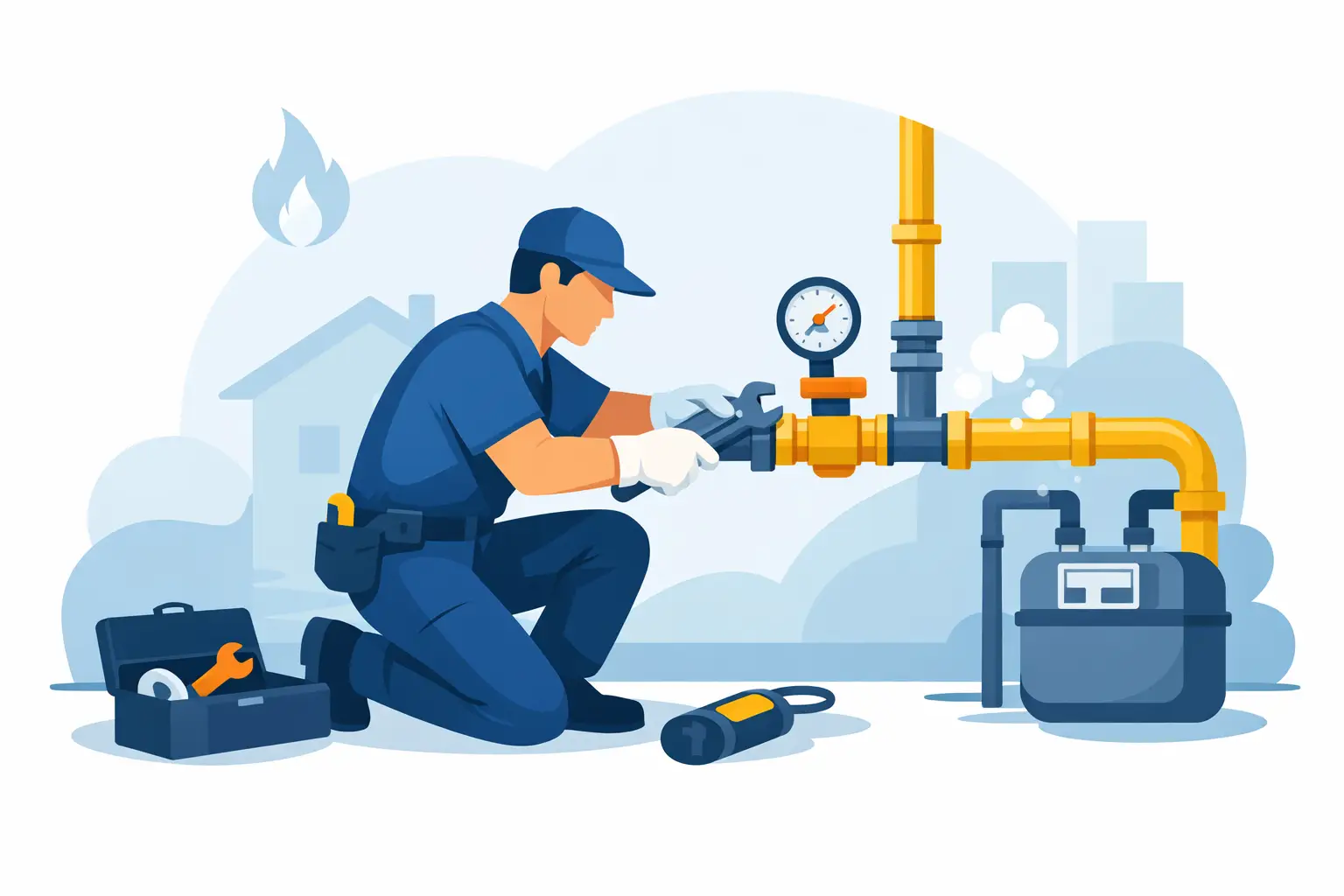
A gas smell near the stove, water heater, or outdoor meter changes the stakes fast. Homeowners asking can plumbers repair gas lines usually need a clear answer right away, not a runaround. In Los Angeles County, the short answer is yes - some plumbers can repair gas lines, but only when they are properly licensed, qualified for that type of work, and equipped to handle it safely.
That distinction matters. Not every plumber offers gas line service, and not every plumbing issue involving gas should be treated like a standard leak under the sink. Gas line work carries obvious safety risks, can involve permits and inspections, and often overlaps with appliance connections, pressure testing, and code compliance. If you are hiring for this job, verification comes first.
Can plumbers repair gas lines legally and safely?
In many cases, yes. Licensed plumbers commonly install, replace, extend, and repair gas piping for residential and light commercial properties. That can include lines serving water heaters, furnaces, stoves, dryers, fireplaces, and outdoor barbecue setups. In Southern California, this work is often well within a qualified plumbing contractor's scope.
The key issue is not whether a person calls themselves a plumber. It is whether they hold the right active license, carry insurance, and regularly perform gas line work. Some plumbers focus heavily on drain cleaning or fixture replacement and may not take on gas jobs at all. Others handle gas leak detection and full line replacement every week.
That is why homeowners should avoid assuming any available plumber is the right fit. Gas line repair is a specialty service. The safest move is to contact a verified local plumber whose profile clearly shows gas line experience, licensing details, and real review history.
When a plumber is the right pro for gas line repair
A plumber is often the right call when the problem involves the pipe system itself rather than the utility company's equipment. If a gas line to your water heater is corroded, a shutoff valve is leaking, a branch line needs to be rerouted during a remodel, or a connector needs replacement, a licensed plumber may be exactly the right contractor.
This is also common when homeowners add new gas appliances. A plumber may extend an existing gas line for a range, dryer, pool heater, or fire pit, then pressure-test the line and confirm proper connections. In older Los Angeles homes, where previous modifications are common, an experienced plumber may also identify outdated materials or unsafe prior work that needs correction.
There are cases where another party may need to be involved. If the issue appears to be at the meter, the gas utility may need to inspect first. If the appliance itself has failed internally, an appliance specialist or HVAC contractor may also play a role. Gas work is not always a one-trade situation, which is one more reason to hire someone who can clearly explain scope before work begins.
What gas line repair can include
Gas line repair is a broad category, and pricing depends heavily on what is actually wrong. A simple repair may involve tightening or replacing a fitting, replacing a shutoff valve, or correcting a small section of damaged pipe. More extensive work can mean replacing long runs of aging gas piping, upgrading undersized lines, or rerouting the system to meet current layout needs.
Permits may be required for certain jobs, especially if the work goes beyond a minor repair or involves a new appliance installation. A qualified plumber should tell you upfront whether permits, inspections, or pressure tests are needed. If a contractor brushes that off without explanation, that is a reason to pause.
The same goes for materials. Depending on the home and local code requirements, the repair may involve black iron pipe, corrugated stainless steel tubing, or other approved materials. The right choice depends on the application, access, code, and existing setup. There is no one-size-fits-all answer.
Signs you may need a plumber for a gas line issue
Some warning signs are obvious, while others are easy to miss. A rotten egg smell is the one most people recognize, but hissing sounds near a line, dying vegetation above a buried gas line, weak appliance performance, or unusually high gas bills can also point to trouble.
If you suspect a leak, leave the area, avoid using switches or open flames, and contact the gas utility or emergency services if the risk appears immediate. Once the property is safe, the next step is to have a qualified gas line professional inspect and repair the issue.
For non-emergency concerns, such as moving a gas appliance or replacing an old valve, a scheduled visit from a licensed plumber may be all that is needed. The urgency depends on the symptom, the location of the line, and whether gas service has already been shut off.
How to verify a plumber for gas line work
This is where many homeowners lose time and take unnecessary risk. A company may advertise gas line repair, but that does not automatically mean the business is active, licensed, insured, or well-reviewed in your area.
Start with license verification. Confirm that the contractor's license is active and appropriate for plumbing work. Then check whether the company specifically lists gas line service among its specialties. Review volume matters too. A plumber with years of experience and a strong pattern of recent public reviews gives you more to work with than a business with vague claims and little proof.
You should also look for practical details that affect your decision right now: service area, emergency availability, years in business, and whether the company handles permits when required. In a place like Los Angeles County, where neighborhoods, building types, and access conditions vary widely, local experience is not a small detail. It often affects speed, permitting familiarity, and how accurately a company can quote the work.
This is exactly why a verification-first directory model helps. Instead of calling random listings and repeating the same screening questions, homeowners can compare trusted local plumbers side by side using license checks, real reviews, specialties, and response details before making contact.
Questions to ask before hiring
You do not need a long checklist, but you do need a few direct answers. Ask whether the plumber regularly repairs gas lines, whether they will inspect the full affected area, and whether permits or inspections may apply. Ask if they perform leak testing after the repair and whether they have handled similar work in your type of property.
It is also smart to ask what is included in the estimate. Some jobs are straightforward, while others uncover hidden problems once walls, crawlspaces, or yard sections are accessed. A good contractor will explain what can be priced confidently now and what may depend on field conditions.
If the company cannot clearly explain its process, licensing, or safety steps, keep looking. With gas work, clarity is part of professionalism.
Cost depends on scope, access, and code requirements
Homeowners often want a flat number, but gas line repair rarely works that way. The final cost can vary based on leak location, pipe material, accessibility, length of line affected, permitting, and whether appliances must be disconnected and reconnected. A simple exposed repair is very different from replacing concealed or underground piping.
Older homes can add another layer. In many Los Angeles properties, especially those that have seen multiple remodels, the visible problem may be just one piece of a larger issue. Corrosion, improper prior alterations, or lines that no longer meet current demand can change the job from a patch to a larger correction.
That does not mean every estimate should be expensive. It means the best estimates are specific, transparent, and tied to the actual condition of the system.
Choosing a trusted local plumber matters more with gas
For a standard faucet drip, homeowners may be willing to take a chance on the first available contractor. Gas line repair is different. You want a plumber with verified credentials, a clear service history, and experience with this exact type of work.
That is especially true if you are comparing providers quickly during a stressful situation. Real reviews, license verification, specialty tags, and emergency availability are not marketing extras. They are decision tools that help reduce risk when the job has real safety implications.
If you are searching in Los Angeles County, a local directory such as The Plumbing Connection can help narrow the field to plumbers who are already screened for licensing and service details, so you can focus on who is qualified to take your call now.
The bottom line is simple: plumbers can repair gas lines, but only the right licensed plumber should. When gas is involved, the fastest decision is not always the safest one. A few minutes spent verifying the contractor can save you from a much bigger problem later.
Get a free quote from a local plumber
Tell us what you need. Vetted plumbers in your area will reach out, usually the same day. No cost, no obligation.
Related Articles
Property Manager Plumbing Guide for Los Angeles
This property manager plumbing guide helps Los Angeles teams prevent leaks, handle emergencies, verify licensed plumbers, and protect tenants and budgets.
A Water Heater Replacement Case Study in LA
This water heater replacement case study shows how an LA homeowner compared licensed plumbers, controlled costs, and chose a safe, code-ready installation.
Review of Sewer Repair Options for LA Homes
A review of sewer repair options for Los Angeles homes, including spot repairs, trenchless methods, replacement costs, and how to compare licensed plumbers.
Need a Plumber in Los Angeles?
Compare 112+ verified plumbers with real reviews from Google and Yelp.
Find a Plumber Near You