June 30, 2026
Guide to Plumbing Emergencies at Home
A practical guide to plumbing emergencies for Los Angeles homeowners. Learn what to do first, what can wait, and how to choose a trusted plumber.
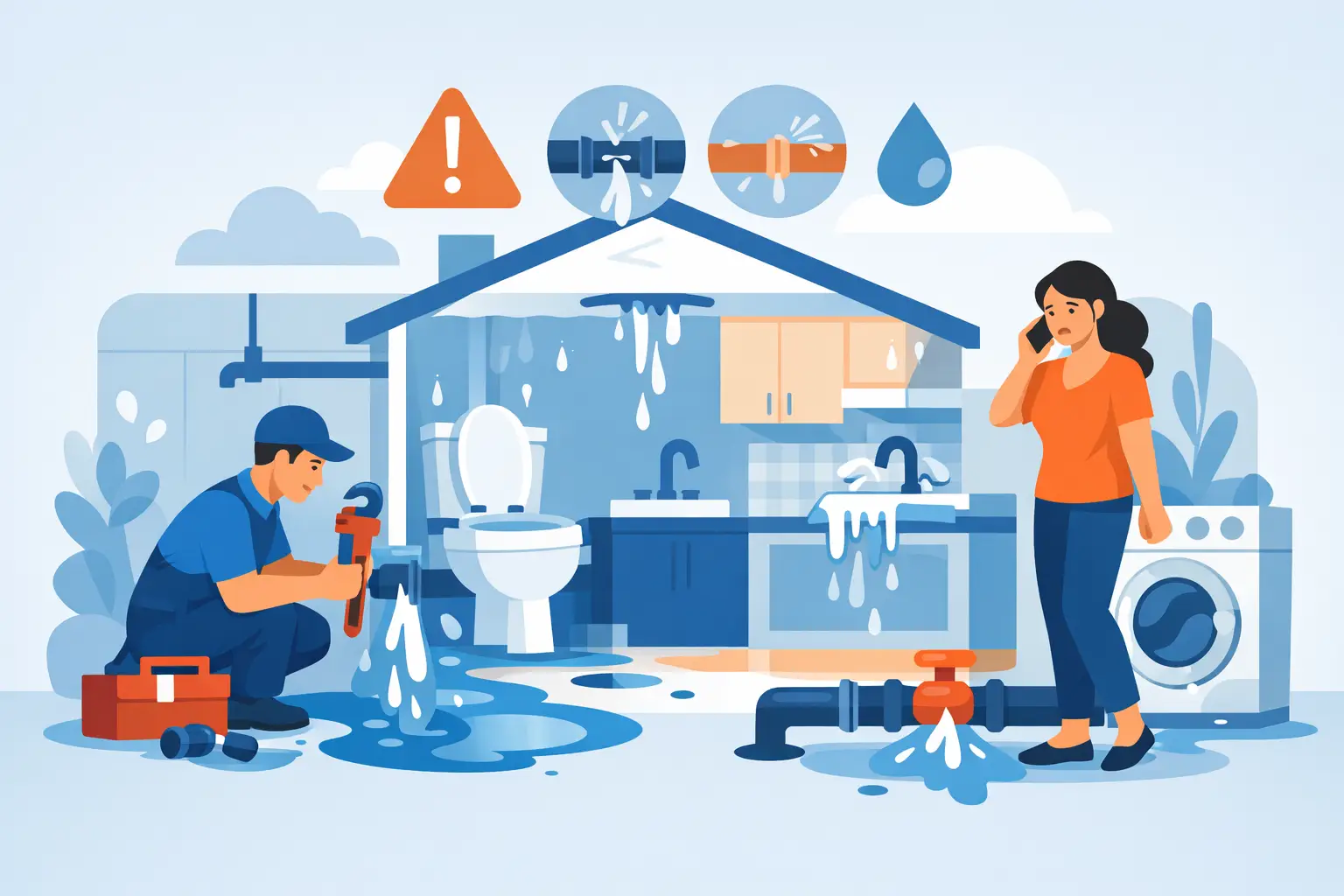
A burst pipe at 2 a.m., a toilet backing up before guests arrive, or water pooling under the water heater can turn routine home maintenance into a high-stakes problem fast. This guide to plumbing emergencies is built for Los Angeles homeowners, renters, and property managers who need to act quickly, limit damage, and avoid calling the wrong contractor under pressure.
What counts as a plumbing emergency?
Not every plumbing issue needs an immediate after-hours visit, but some problems do. The clearest test is simple - is water actively causing damage, is sewage entering the home, or is there any risk to health and safety?
A burst pipe, a major slab leak, a sewer line backup, an overflowing toilet that will not stop, or a failed water heater leaking heavily usually qualifies as an emergency. Gas line concerns tied to plumbing work also require urgent attention, though the first call may depend on the specific hazard and utility guidance in your area.
On the other hand, a slow drain, a dripping faucet, or a toilet that is clogged but not overflowing may be urgent without being a true emergency. That distinction matters because emergency rates are often higher, especially nights, weekends, and holidays. Paying for immediate service makes sense when delay will raise the repair cost or create safety issues. It is less useful when the problem can be contained for a few hours.
Your first 10 minutes matter most
When plumbing fails, speed matters more than perfect diagnosis. Your goal is to stop the immediate threat, protect the property, and gather enough information to get the right help.
First, shut off the water if there is active leaking or flooding. If the issue is isolated to one fixture, use the nearby shutoff valve if it works. If not, turn off the home's main water supply. In many Los Angeles homes, that valve may be outside near the front, in a side yard, or near the meter. If you manage rental property, knowing that location before an emergency can save thousands in damage.
Next, shut off power only if water is approaching electrical outlets, appliances, or exposed wiring, and only if you can do it safely. Do not step into standing water near anything electrical. If there is any doubt, wait for emergency personnel or the utility provider.
Then contain what you can. Use towels, buckets, and mops to keep water from spreading to baseboards, wood floors, cabinets, or lower levels. If the leak is near a water heater, under a sink, or behind a washing machine, moving nearby belongings can prevent a smaller issue from becoming an insurance claim.
Finally, take a few clear photos and note what happened. Was there a sudden pressure drop? Did the drain gurgle first? Is the water clean, gray, or sewage-contaminated? That information helps a plumber prepare and may also help with documentation later.
A room-by-room guide to plumbing emergencies
Burst pipes and supply line failures
These are among the most damaging plumbing problems because clean water can spread fast behind walls, under flooring, and into adjacent rooms. Shut off the main water supply immediately. If the source is a sink, toilet, or refrigerator line and the local valve works, isolate just that fixture.
Do not assume the leak is fully controlled once water stops running. Drywall, insulation, and cabinets may still be saturated. A licensed plumber should inspect the failed section and check whether high pressure, corrosion, poor installation, or age contributed to the break. In older Los Angeles properties, galvanized pipe, aging copper, and undocumented past repairs can all complicate what looks like a simple leak.
Sewer backups and multiple clogged drains
If more than one drain is backing up at once, especially on the lowest level of the home, the problem may be in the main sewer line rather than a single fixture. Stop using water throughout the property. Running sinks, showers, or laundry can push more wastewater back into tubs, floor drains, or toilets.
This is not a situation for repeated chemical drain cleaners or aggressive plunging. Main line issues often require professional cabling, hydro jetting, or camera inspection. In Southern California, root intrusion, aging sewer lines, and shifts in older infrastructure are common reasons these emergencies happen.
Overflowing toilets
An overflowing toilet feels chaotic, but the fastest fix is often simple. Remove the tank lid and push the flapper down if it is stuck open, then close the toilet shutoff valve behind the fixture. If the bowl is already too full, avoid flushing again.
If one toilet is clogged and all other drains work normally, the problem may be local to that fixture. If the toilet overflows and nearby tubs or showers start backing up too, treat it like a possible sewer issue instead.
Water heater leaks or failure
A water heater that is dripping from a valve may not be as urgent as one leaking from the tank body itself. A failed tank can release a significant amount of water quickly, especially in garages, closets, or utility areas near finished spaces.
Turn off the water supply to the heater if possible. Depending on the situation, shutting off the power or gas to the unit may also be appropriate, but only if you know how to do it safely. If the tank itself has failed, repair is usually not the answer. Replacement is more likely, and response time matters if water is already spreading.
Gas-related plumbing concerns
Some plumbers handle gas lines, but not every plumber offers emergency gas service. If you smell gas, hear hissing, or suspect a dangerous leak, leave the area and follow utility and emergency guidance first. This is not a wait-and-see situation.
Once the area is safe, verify that the contractor you call is licensed and specifically qualified for gas line diagnosis and repair. This is where checking license status, experience, and specialty tags matters more than simply calling the first name you see.
How to choose the right emergency plumber fast
A plumbing emergency is exactly when people are most likely to skip verification. That is also when bad decisions get expensive.
Start with licensing. In California, a valid plumbing contractor license is a baseline, not a bonus. It will not guarantee perfect service, but it helps filter out unqualified operators. Next, look for proof of real review volume, not just a high star rating with very few reviews. A plumber with years in business, verified licensing, and a strong review history is usually a safer bet than a brand-new listing making broad claims.
Emergency availability also deserves a closer look. Some companies advertise 24/7 service, but response times vary by neighborhood, traffic, staffing, and the kind of problem you have. A team that can handle a drain clog may not be the best fit for slab leaks, sewer camera inspection, or water heater replacement the same night.
That is why side-by-side comparison helps. A local directory such as The Plumbing Connection can reduce guesswork by showing licensed Los Angeles plumbers with real reviews, service areas, specialties, years in business, and emergency availability in one place. For a homeowner under pressure, that kind of visibility is more useful than calling into a lead form and waiting for a sales process.
Questions to ask before you approve the work
Once you have a plumber on the phone, keep the conversation direct. Ask whether they are licensed and insured, whether they handle your specific issue, how quickly they can arrive, and whether there is an emergency service fee. You should also ask what the initial visit covers - diagnosis only, basic repair, or after-hours stabilization with follow-up work later.
It also helps to ask what could change the price. For example, a clogged kitchen line may turn out to be a main sewer backup. A visible leak behind a wall may point to a larger repiping problem. Good plumbers will not promise a final number before inspection, but they should explain the likely range and the variables clearly.
What not to do in a plumbing emergency
Panic causes expensive mistakes. Avoid using chemical drain cleaners on severe backups, especially if a plumber may need to open the line soon after. Do not cut into walls, dig in the yard, or disassemble fixtures unless you know exactly what you are doing. And do not keep testing the problem by flushing, running water, or restarting the appliance that caused the leak.
It is also wise to be cautious with the cheapest quote. In emergency situations, low pricing can mean limited scope, rushed work, or missing license and insurance protections. Fast service matters, but so does getting the repair done by someone qualified to stand behind it.
A smarter way to prepare before the next emergency
The best time to prepare for a plumbing emergency is before it happens. Know where your main water shutoff is. Make sure key fixture shutoff valves still turn. If you own older property, consider a preventive inspection for sewer lines, water heaters, and visible supply piping. Property managers should also keep a short list of verified local plumbers who handle after-hours calls in their service area.
When something goes wrong, the goal is not to become your own plumber. It is to stop damage, protect the people in the property, and make a fast, informed decision. The calmer and more verified your next step is, the better the outcome usually is.
If you remember only one thing, make it this: in a real plumbing emergency, quick action matters, but trusted help matters just as much.
Get a free quote from a local plumber
Tell us what you need. Vetted plumbers in your area will reach out, usually the same day. No cost, no obligation.
Related Articles
Is Trenchless Sewer Worth It for LA Homes?
Is trenchless sewer worth it? Compare costs, limits, and long-term value for Los Angeles homes before choosing a licensed local plumber with confidence.
Best Plumbers for Apartment Buildings in LA
Find the best plumbers for apartment buildings in Los Angeles County. Compare verified licenses, real reviews, specialties, and emergency availability.
Emergency Plumber Response Time Example Explained
See an emergency plumber response time example for Los Angeles, learn what affects arrival, and choose a licensed pro without delays or surprises.
Need a Plumber in Los Angeles?
Compare 112+ verified plumbers with real reviews from Google and Yelp.
Find a Plumber Near You