June 28, 2026
How to Choose Trenchless Sewer Repair Contractors
Need trenchless sewer repair contractors? Learn how to compare licensed LA-area plumbers, verify reviews, and avoid costly sewer repair mistakes.
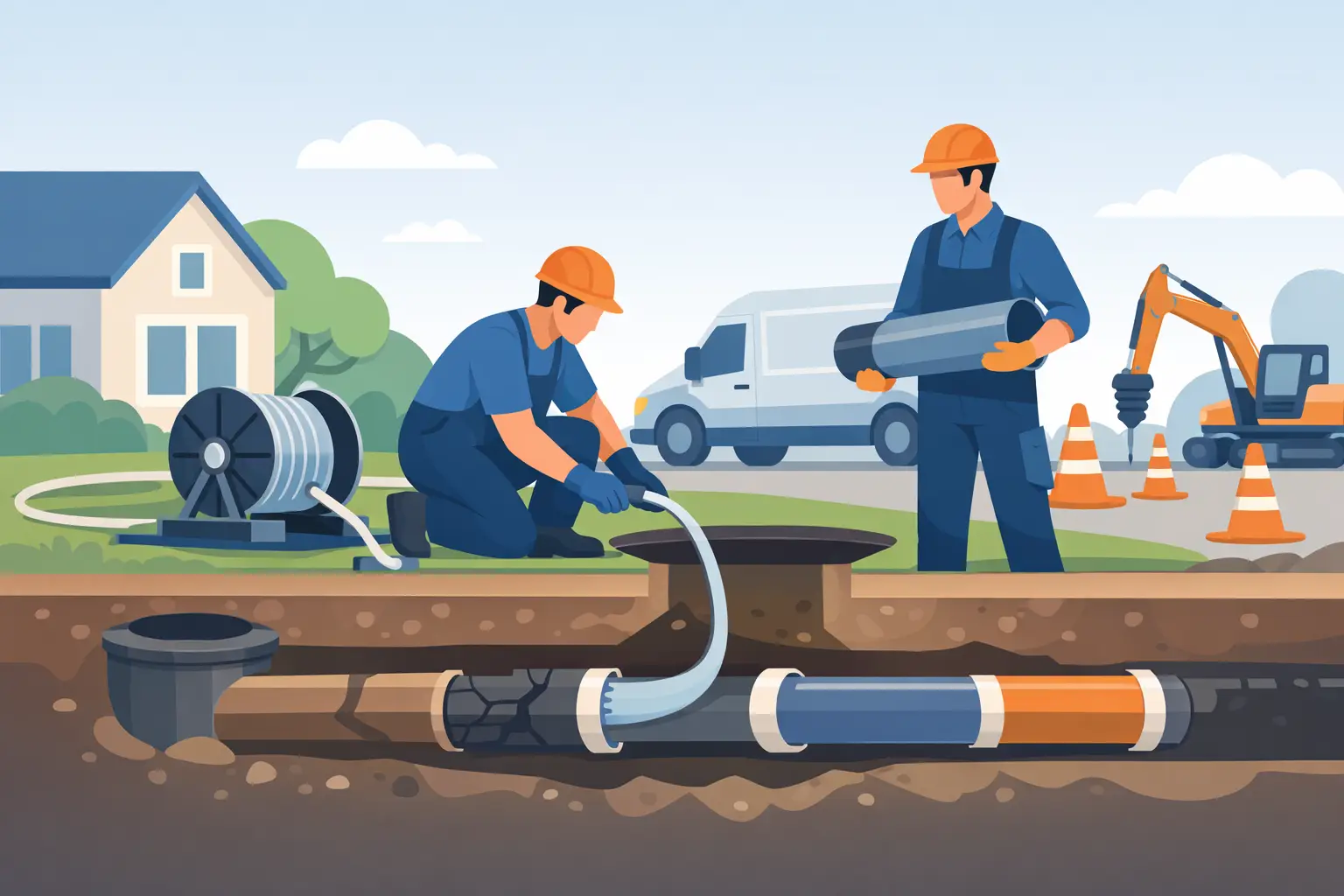
A sewer line problem usually shows up at the worst possible time - backups in the shower, a soggy patch in the yard, or a camera inspection that suddenly turns a home project into a major repair decision. When that happens, most people are not looking for a crash course in plumbing. They are looking for trenchless sewer repair contractors they can trust, and they need a fast way to separate qualified specialists from general plumbers who only handle basic drain work.
That distinction matters more than many homeowners realize. Trenchless sewer repair is a specialty service. It can save a driveway, patio, landscaping, or slab area from major excavation, but only when the contractor has the right equipment, training, and experience with the specific condition of the line. In Los Angeles County, where older homes, shifting soil, clay pipe, and tight access are common, choosing the right company is less about finding the cheapest estimate and more about confirming who is actually prepared to do the job correctly.
What trenchless sewer repair contractors actually do
Not every sewer company offering "trenchless" means the same thing. In practice, trenchless sewer repair contractors usually perform one or both of two core services: pipe lining and pipe bursting.
Pipe lining, often called cured-in-place pipe lining, creates a new inner pipe inside the damaged existing line. This option can work well when the pipe is structurally stable enough to hold a liner and the damage is caused by cracks, minor offsets, or root intrusion. Pipe bursting, by contrast, breaks apart the old pipe while pulling a new pipe into place. That approach is often used when the existing sewer line is too deteriorated for lining or when a full replacement is the better long-term fix.
The catch is that not every sewer line qualifies for every trenchless method. A serious belly in the line, severe collapse, poor prior repairs, or access limitations can change the recommendation. Good contractors explain that clearly. Weak ones use "trenchless" as a sales term first and a diagnosis second.
How to compare trenchless sewer repair contractors
The fastest way to narrow the field is to look for proof, not promises. A contractor should be properly licensed, actively working in your service area, and able to show that trenchless sewer work is a real specialty rather than an occasional add-on.
Start with license verification. In California, this is not optional. You want an active license in good standing, and you want to make sure the business name on the estimate matches the licensed entity. That one step helps reduce the risk of hiring an unvetted operator or a lead-driven subcontracting chain where accountability gets blurry.
Next, check whether the company regularly handles sewer diagnostics, not just sewer repairs. A contractor who can perform in-line camera inspections, locate the exact failure point, and explain why a trenchless method fits the condition of the pipe is far more credible than one quoting replacement without a thorough assessment.
Review volume also matters, but context matters more. A high rating is useful, but you should also look for reviews that mention sewer line replacement, pipe lining, clean communication, jobsite care, and whether the final price stayed close to the estimate. Real-world feedback about specialty work is more valuable than a large batch of generic five-star comments.
For Los Angeles property owners, local experience carries extra weight. Older housing stock in areas like Pasadena, Long Beach, Glendale, and parts of the San Fernando Valley often comes with aging cast iron or clay sewer lines. Contractors who regularly work in these conditions are more likely to recognize the issues that affect trenchless feasibility before the job starts.
Questions worth asking before you book
You do not need to interview a contractor like an engineer, but a few direct questions can quickly expose whether they truly specialize in this work.
Ask which trenchless method they recommend and why. If the answer is vague, overly salesy, or skips the condition of the existing pipe, that is a warning sign. A qualified contractor should tie the recommendation to inspection findings.
Ask whether a sewer camera inspection is included and whether you will see the footage or receive documentation. This helps you confirm the repair is based on evidence, not guesswork.
Ask how much digging may still be required. Trenchless does not always mean zero excavation. Access pits, connection points, or city tie-in requirements can still involve limited digging. Honest contractors explain that up front.
Ask who will actually perform the work. Some companies market aggressively, then pass jobs to third parties. If you want accountability, make sure the licensed company you hire is the company showing up.
Ask about permits, warranties, and post-repair testing. Sewer work is too expensive to leave these details unclear.
Red flags to watch for
The biggest red flag is a contractor pushing a solution before completing a proper inspection. Sewer lines fail for different reasons, and the best fix depends on what is happening underground. If someone is quoting pipe lining or bursting over the phone without seeing the line, treat that estimate as incomplete at best.
Another red flag is pricing that is dramatically lower than every other quote. Trenchless equipment, training, and materials are specialized. A low number can mean the contractor excluded critical work, lacks experience, or is planning to change the price once the job is underway.
Watch for unclear language around restoration. Even trenchless jobs can involve some surface disruption. If the estimate does not spell out what is included, you may be left paying separately for patching, cleanup, or access restoration.
Finally, be cautious with companies that cannot show a stable track record. Sewer line projects are high-stakes repairs. You want a business with verified reviews, a real local presence, and enough history to stand behind its warranty.
Why the cheapest quote is not always the lowest-cost decision
Homeowners often compare trenchless sewer bids the way they compare smaller plumbing jobs, but this is different. The true cost is not just the invoice. It is also the risk of an incomplete repair, unnecessary excavation, repeat work, or permit issues that create bigger expenses later.
A higher quote from an experienced trenchless specialist may include camera diagnostics, proper permitting, better materials, cleaner access planning, and a stronger warranty. A lower quote may leave those items out or assume best-case conditions that disappear once work begins.
That does not mean the most expensive bid is automatically the best one. It means you should compare scope as carefully as price. If two estimates are far apart, ask each contractor to explain what is included, what is excluded, and what could change the final total.
Trenchless sewer repair in Los Angeles: what makes local vetting important
In Los Angeles County, sewer repairs are rarely one-size-fits-all. Hillside properties, narrow side yards, mature tree roots, alley access, older infrastructure, and mixed pipe materials all affect how a job should be planned. Add in city-specific permitting expectations and heavy demand for reputable plumbing companies, and the quality gap between contractors becomes more important.
That is why verification-first comparison is so useful. Instead of calling random ads and hoping for the best, homeowners can screen for license status, service area, emergency response, trenchless specialties, years in business, and real review signals before making contact. For a service this specialized, organized comparison cuts down on guesswork and helps you avoid wasting time with companies that are not the right fit.
If you are comparing providers through a local directory like The Plumbing Connection, focus on the details that matter most for this type of project: specialty tags for sewer and trenchless work, verified licensing, review consistency, and whether the company clearly serves your neighborhood. That gets you closer to a confident call without the usual lead-broker runaround.
When trenchless is a smart option - and when it may not be
Trenchless repair is appealing for obvious reasons. It can reduce damage to hardscape, shorten restoration needs, and make a major sewer project less disruptive. For many properties, that is a real advantage.
Still, it is not the right answer every time. If the line has severe sagging, major collapse, poor alignment, or conditions that prevent a durable trenchless result, traditional excavation may still be necessary. A trustworthy contractor will say that, even if it is not the easiest sale.
That honesty is part of what you are really hiring. The best contractor is not the one who tells you what you want to hear. It is the one who can show you what is happening, explain your options plainly, and stand behind the method they recommend.
When a sewer line fails, speed matters, but so does verification. A careful choice now can protect your property, your budget, and your peace of mind long after the repair is finished.
Get a free quote from a local plumber
Tell us what you need. Vetted plumbers in your area will reach out, usually the same day. No cost, no obligation.
Related Articles
Is Trenchless Sewer Worth It for LA Homes?
Is trenchless sewer worth it? Compare costs, limits, and long-term value for Los Angeles homes before choosing a licensed local plumber with confidence.
Best Plumbers for Apartment Buildings in LA
Find the best plumbers for apartment buildings in Los Angeles County. Compare verified licenses, real reviews, specialties, and emergency availability.
Emergency Plumber Response Time Example Explained
See an emergency plumber response time example for Los Angeles, learn what affects arrival, and choose a licensed pro without delays or surprises.
Need a Plumber in Los Angeles?
Compare 112+ verified plumbers with real reviews from Google and Yelp.
Find a Plumber Near You