October 6, 2026
Can Plumbers Fix Low Pressure? What to Expect
Can plumbers fix low pressure? Learn what causes weak water flow, when a licensed Los Angeles plumber can help, and what to check before call for service.
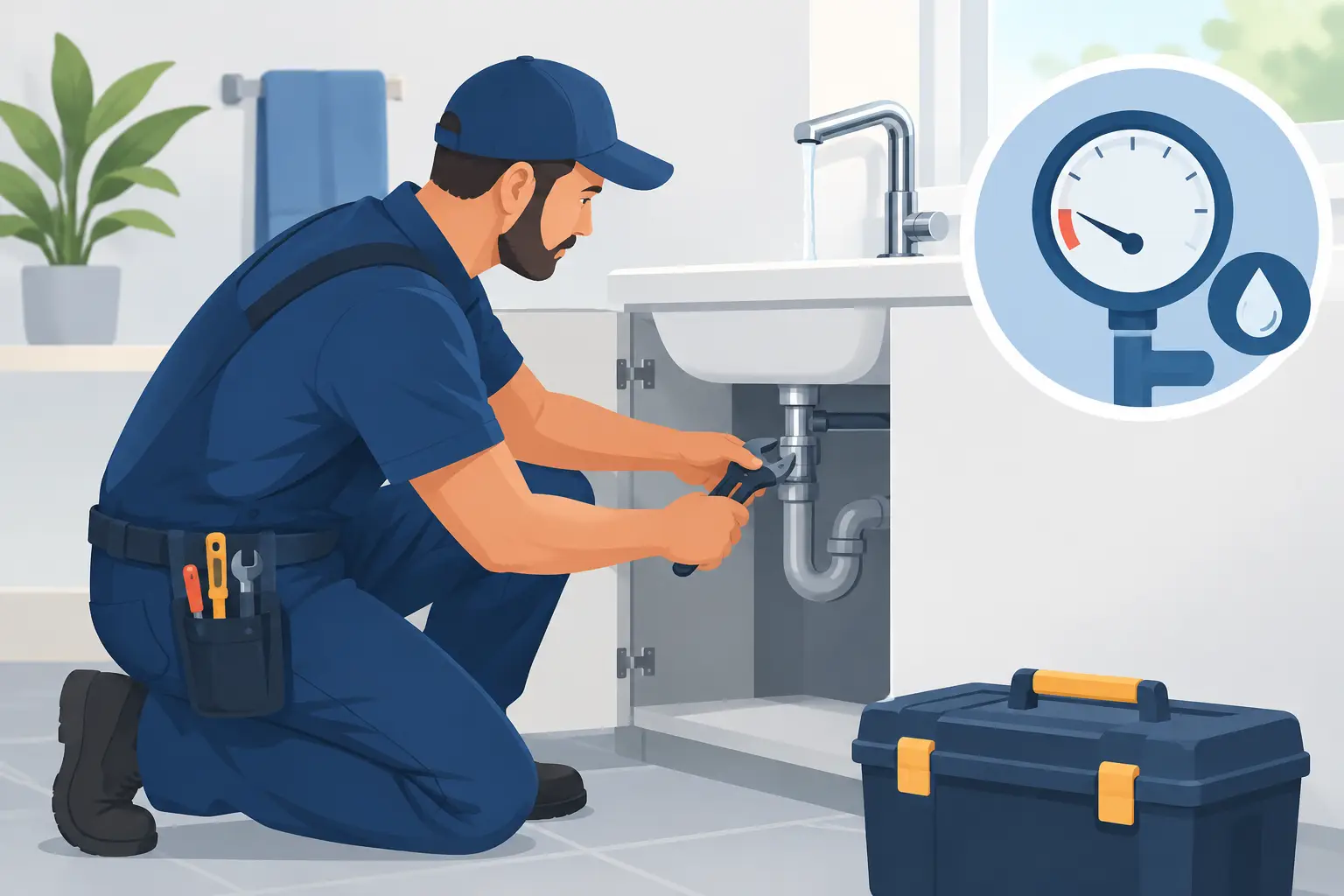
A shower that fades to a trickle when someone starts the dishwasher is more than an everyday annoyance. It can make basic routines difficult, point to a hidden plumbing issue, and in some cases signal a leak or failing pressure-control component. So, can plumbers fix low pressure? In many cases, yes. A licensed plumber can identify whether the problem is inside your fixtures, in your home’s plumbing system, or related to the water supply serving the property.
The right fix depends on where the pressure loss begins. That distinction matters because replacing a showerhead will not solve a corroded pipe, and adjusting a pressure regulator will not remove mineral buildup inside an old faucet. For Los Angeles County homeowners and property managers, a qualified local plumber can narrow down the cause quickly and explain the repair before work starts.
Can Plumbers Fix Low Pressure Throughout a Home?
Yes, plumbers routinely diagnose and repair low water pressure, particularly when it affects multiple fixtures. The first question is whether weak flow occurs at one faucet, one bathroom, on the hot-water side only, or everywhere in the property.
When low pressure affects the entire home, the issue may involve the main water line, shutoff valves, a pressure regulator, a water meter connection, old supply piping, or an active leak. A plumber can test pressure at appropriate points, inspect accessible components, and determine whether the issue belongs to the plumbing system or needs to be reported to the water utility.
Many homes in Los Angeles have older galvanized steel pipes. Over time, these pipes can corrode internally and collect mineral scale, reducing the inside diameter of the pipe even when the outside appears intact. The result is restricted flow that may worsen gradually over months or years. Depending on the condition and layout of the system, a plumber may recommend a targeted repair, partial repipe, or full repipe rather than a temporary adjustment that will not last.
Low pressure can also happen after plumbing work, a water-main interruption, or a period when a valve was turned off. A partially closed main shutoff valve can limit flow to the whole house. This is a simple possibility, but it should be checked carefully. Forcing an old or corroded valve can create a leak, especially at an aging property.
Common Reasons Water Pressure Drops
Low pressure and low flow are often used interchangeably, but they are not always the same problem. Pressure is the force pushing water through the system. Flow is the amount of water that reaches the fixture. A clogged aerator can reduce flow at one sink even if the home has normal water pressure.
Mineral buildup at a single fixture
If one faucet or shower has weak flow while nearby fixtures work normally, the aerator, showerhead, cartridge, or supply hose may be clogged with mineral deposits or debris. Southern California’s hard water can speed up this buildup. A plumber can clean or replace the affected part and verify that the restriction is not deeper in the line.
This is usually one of the less expensive low-pressure repairs, but it still pays to identify the source correctly. Replacing a fixture without checking the valve and supply line can leave the underlying problem unresolved.
A failing pressure regulator
Some properties have a pressure-reducing valve, also called a pressure regulator, near the main water connection. This device keeps incoming municipal pressure at a safer level for the home’s plumbing. When it fails, pressure can become too low, fluctuate, or occasionally rise too high.
A licensed plumber can test the system, confirm whether the regulator is responsible, and replace it if needed. This is not a good component to guess at. Excessively high pressure can damage appliance hoses, toilet fill valves, faucets, and water heater components, while low pressure can make every fixture underperform.
Leaks in the water line or plumbing system
A hidden leak can reduce available water pressure, especially if the pressure change is sudden or paired with a higher water bill, damp flooring, wall stains, warm spots on a slab, or the sound of running water when everything is off. A leak does not always create an obvious puddle.
Plumbers use testing and leak-detection methods to isolate the source. In Los Angeles-area homes with slab foundations, this may involve determining whether the problem is under the slab, in a wall, or in the service line between the meter and the house. Prompt action is worthwhile because water damage can become much more costly than the original plumbing repair.
Corroded or undersized pipes
Older galvanized piping is a frequent cause of persistent low flow. Corrosion develops from the inside, leaving less open space for water to move. The problem may start at a few fixtures and eventually affect the whole home.
A plumber may inspect visible sections of piping, compare flow at different locations, and use the property’s age and pipe material to guide the diagnosis. If the pipes are heavily restricted, replacing a small section may provide limited improvement. Repiping can be a larger investment, but it can restore consistent flow, reduce leak risk, and support future kitchen or bathroom upgrades.
Problems outside the home
Not every pressure issue is a private plumbing repair. Municipal work, a neighborhood-wide supply issue, or a problem near the meter can affect service. Multi-unit buildings also add another layer: residents may share a building supply line, booster system, or common plumbing infrastructure.
A plumber can help document what is happening and identify the likely boundary between the building’s plumbing and the utility’s responsibility. For tenants, the first call may be to the property manager. For homeowners, a plumber’s inspection can provide useful evidence before contacting the water provider.
What a Plumber Will Check First
An experienced plumber should not begin by replacing parts at random. The assessment generally starts with a few practical observations: which fixtures are affected, whether hot and cold water behave differently, whether the problem is constant or intermittent, and whether it began after a repair, water outage, or remodeling project.
The plumber may test static and flowing pressure, inspect the main shutoff and pressure regulator, check fixture aerators and cartridges, and look for signs of leaks or pipe corrosion. If low pressure is isolated to hot water, the water heater shutoff valve, heater connections, recirculation equipment, or sediment-related issues may be involved.
For a property manager, it helps to note whether complaints are coming from one unit or several. That detail can quickly separate a unit-level fixture issue from a shared building supply problem. Clear information saves diagnostic time and helps the plumber arrive prepared.
What You Can Safely Check Before Calling
There are a few observations homeowners can make without taking apart plumbing components. First, compare several fixtures. Run cold water at a kitchen sink, bathroom sink, shower, and outdoor spigot if available. Then compare hot water at the same locations. Write down where the issue occurs.
Next, ask whether nearby homes are experiencing the same problem. If the pressure drop happened suddenly after street work or a utility interruption, the issue may be outside the property. You can also look for obvious warning signs such as water around the meter area, damp cabinets, discoloration on walls, or an unusually high bill.
Avoid adjusting a pressure regulator, opening meter equipment, or aggressively turning old shutoff valves if you are not sure of their condition. Those steps can create a more urgent repair. A licensed plumber has the tools to test the system and can make changes without relying on guesswork.
When Low Pressure Is an Urgent Call
Low water pressure is rarely an immediate emergency by itself, but it should be treated as urgent when it appears with signs of a leak, no water supply, contaminated-looking water, or a sudden major change in performance. If water is actively leaking, shut off water at the nearest safe valve or the main valve if you know how to use it, then contact a plumber.
It is also wise to act quickly if pressure is fluctuating sharply or if pipes are making unusual banging noises. Those symptoms can point to pressure-control problems that put stress on the plumbing system.
Choosing a Plumber for Low Water Pressure
Because low pressure can have several causes, choose a plumber who handles diagnostics as well as repairs. Look for current California licensing, verified customer reviews, clear service-area coverage, and experience with the specific work that may be needed, whether that is leak detection, pressure-regulator replacement, water heater service, or repiping.
Before approving work, ask what the plumber found, what testing supports that finding, whether there are repair options, and whether the estimate includes parts, labor, permits, and any wall or concrete access required. A trusted plumber should be able to explain the difference between a simple fixture restriction and a system-wide issue in plain language.
The Plumbing Connection helps Los Angeles County residents compare licensed local plumbers using real review signals, service specialties, and availability, without a lead broker standing between you and the provider. When pressure drops, the most useful next step is not a guess at the cause. It is a clear diagnosis from a verified professional who can restore dependable water flow and help protect the property from a larger problem.
Get a free quote from a local plumber
Tell us what you need. Vetted plumbers in your area will reach out, usually the same day. No cost, no obligation.
Related Articles
Is Trenchless Sewer Worth It for LA Homes?
Is trenchless sewer worth it? Compare costs, limits, and long-term value for Los Angeles homes before choosing a licensed local plumber with confidence.
Best Plumbers for Apartment Buildings in LA
Find the best plumbers for apartment buildings in Los Angeles County. Compare verified licenses, real reviews, specialties, and emergency availability.
Emergency Plumber Response Time Example Explained
See an emergency plumber response time example for Los Angeles, learn what affects arrival, and choose a licensed pro without delays or surprises.
Need a Plumber in Los Angeles?
Compare 112+ verified plumbers with real reviews from Google and Yelp.
Find a Plumber Near You