October 24, 2026
Is Trenchless Sewer Worth It for LA Homes?
Is trenchless sewer worth it? Compare costs, limits, and long-term value for Los Angeles homes before choosing a licensed local plumber with confidence.
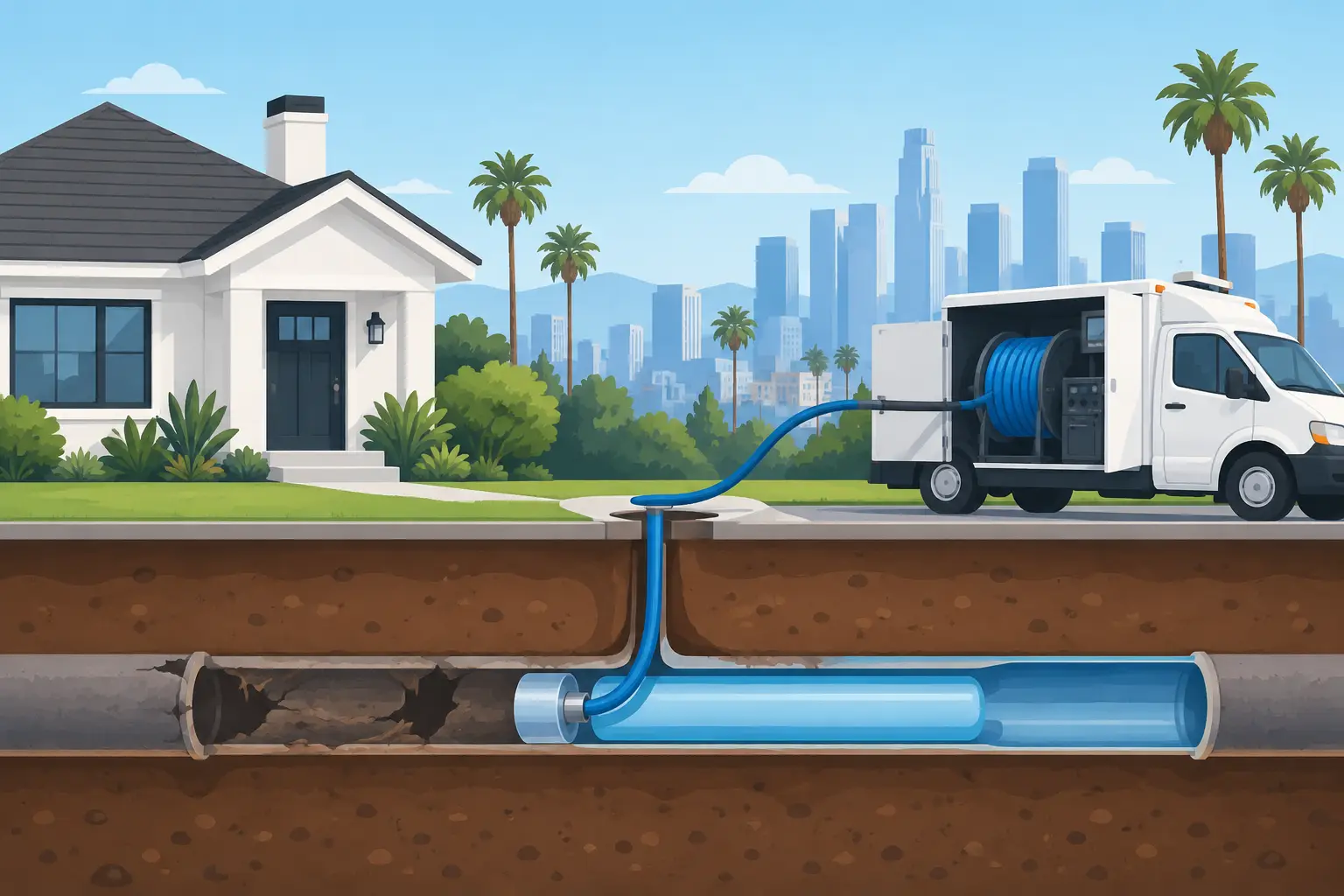
A sewer line failure under a driveway, patio, mature tree, or landscaped yard can turn a necessary repair into a major property restoration project. That is why many Los Angeles homeowners ask, is trenchless sewer worth it before approving a repair estimate. In the right situation, it can protect the parts of your property that are expensive or disruptive to rebuild. But it is not automatically the best option for every damaged sewer line.
The real question is not whether trenchless technology is better in general. It is whether your pipe condition, property layout, access points, and long-term plans make its higher upfront cost a better value than conventional excavation.
Is Trenchless Sewer Worth It? Often, But Not Always
Trenchless sewer repair replaces or rehabilitates an underground sewer line with limited digging. Instead of opening a long trench across the property, a licensed plumber typically works from one or two access pits, often near the house connection and the city sewer connection.
For many LA properties, that limited excavation is the main advantage. A traditional sewer replacement may require cutting concrete, removing pavers, disturbing irrigation, or excavating through a narrow side yard. Trenchless work can reduce that disruption substantially.
Still, trenchless does not mean no digging, no mess, or no risk. Access holes are usually required. A contractor may also need to expose connections, address a collapsed section, or obtain permits before work begins. The best decision comes from a camera inspection and a clear explanation of what the line looks like underground.
What You Are Paying For
A trenchless estimate can look expensive when compared only with the cost of digging and installing new pipe. That comparison misses the restoration work that conventional excavation may create.
With traditional replacement, the final bill can include demolition and replacement of concrete, hardscape, landscaping, irrigation, fencing, or other improvements above the sewer route. On an older Los Angeles property, those restoration costs can become significant quickly.
Trenchless repair generally costs more per linear foot because it requires specialized equipment, trained technicians, and careful preparation. However, it can cost less overall when it prevents extensive surface repairs. It also may shorten the time your driveway, yard, or common area is out of service.
As a broad planning range, sewer replacement projects in Los Angeles County can run from several thousand dollars to well over $20,000, depending on length, depth, access, pipe condition, permits, and restoration needs. Treat any price quoted before a camera inspection as preliminary. A trustworthy plumber should explain what is included and what could change the scope.
Two Common Trenchless Methods
Pipe bursting pulls a new pipe through the path of the old one while breaking apart the failing pipe. It is often used when a full replacement is needed and there is enough room to access both ends of the line. The new pipe is commonly HDPE, a durable material with fused joints that can resist root intrusion.
Cured-in-place pipe lining, often called CIPP lining, creates a new pipe inside the existing pipe. A resin-saturated liner is inserted and cured in place. This approach can be a strong fit for pipes with cracks, root intrusion, or deteriorated joints when the existing line still has enough structural integrity and an appropriate shape for lining.
Neither method is universally better. Pipe bursting may be preferable for severely deteriorated lines or certain material changes. Lining may preserve landscaping or avoid obstacles where replacing the entire line would be difficult. The camera footage, not a sales pitch, should guide the recommendation.
When Trenchless Is a Strong Value
Trenchless sewer repair is often worth serious consideration when the sewer route runs beneath costly improvements. That may include a stamped concrete driveway, a pool deck, recently installed pavers, a detached garage, or established landscaping.
It can also make sense for multifamily properties and busy households. Property managers may prefer a repair method that limits disruption to tenants, parking areas, walkways, and shared outdoor spaces. Less excavation can mean fewer days of restricted access and fewer restoration vendors to coordinate.
Older homes in areas such as Los Angeles, Pasadena, Long Beach, Glendale, Burbank, and the San Fernando Valley can be especially good candidates. Many have aging clay, cast iron, Orangeburg, or galvanized sewer components. Those materials can crack, corrode, separate at joints, or allow roots to enter over time.
Trenchless work is also worth considering when you expect to stay in the home. A properly installed new sewer line or liner can provide a long service life, reduce recurring root problems, and remove the uncertainty of repeated drain clearing calls.
When Conventional Digging May Be the Better Choice
A good contractor should be willing to tell you when trenchless is not the practical choice. If a pipe has collapsed, has major offsets, has a severe belly, or follows an inaccessible route, excavation may be necessary to correct the underlying problem.
A belly is a low area in the pipe where wastewater and solids collect instead of flowing properly. Lining a pipe with a significant belly does not restore the correct slope. In that case, digging may provide the more durable repair because the plumber can rebuild the line at the right grade.
Traditional excavation can also be the sensible option when the sewer line is shallow, easy to reach, and located beneath plain soil with little or no hardscape to restore. If the surface restoration is minimal, the cost advantage of trenchless work may disappear.
Do not assume recurring clogs require full replacement, either. A localized crack or root intrusion point may be repairable with a spot repair. The right scope should match the actual condition of the line rather than the most expensive option available.
Get the Evidence Before You Compare Quotes
Sewer projects are high-stakes because the work is hidden once it is complete. Start with a recorded sewer camera inspection that identifies the problem, its approximate location, the pipe material, and the condition of the rest of the line. Ask the plumber to show you the footage and explain it in plain language.
When comparing estimates, make sure each contractor is pricing the same solution. One quote may be for a partial repair, another for full pipe bursting, and another for lining. A lower number is not meaningful if it excludes permit fees, cleanouts, excavation, reconnection work, or surface restoration.
Ask whether the contractor will pull the required local permit and coordinate any inspection. Requirements vary by city and project scope across Los Angeles County. Permit handling is not just paperwork. It helps document that the repair meets applicable plumbing and building requirements.
You should also confirm the plumber's California license status, insurance coverage, years of trenchless experience, and warranty terms. Read real review signals with an eye for details: Do customers mention communication, clean work areas, follow-through on permits, and how the company handled unexpected conditions? A verified local directory such as The Plumbing Connection can make those side-by-side checks faster, with no middleman between you and the plumber.
Questions That Protect Your Budget
Before authorizing work, ask how the plumber determined the repair length and whether the estimate includes video inspection, permits, access pits, new cleanouts, and final testing. Ask what happens if the crew finds a collapse, unmarked utility line, or a condition that prevents the planned trenchless method.
Request the warranty in writing and clarify what it covers. A strong warranty should identify the installed material, covered defects, length of coverage, and any exclusions. It should not be a vague verbal promise made before the work begins.
Also ask who is responsible for restoration if any concrete, landscaping, drywall, or flooring must be opened. Even a trenchless project can require repair around access points. Knowing that cost before work starts prevents a frustrating surprise after the sewer is flowing again.
Make the Decision Based on Total Property Impact
The best sewer repair is the one that fixes the actual failure, meets code, and does not create avoidable damage elsewhere on your property. For a line under valuable hardscape or landscaping, trenchless sewer repair can be well worth the investment. For a shallow line in open soil or a pipe with major structural and slope problems, conventional excavation may be the more honest and effective answer.
Choose a licensed local plumber who will show you the camera findings, explain both options, and give you a written scope before asking for approval. That clarity matters far more than a quick promise of the cheapest fix.
Get a free quote from a local plumber
Tell us what you need. Vetted plumbers in your area will reach out, usually the same day. No cost, no obligation.
Related Articles
Best Plumbers for Apartment Buildings in LA
Find the best plumbers for apartment buildings in Los Angeles County. Compare verified licenses, real reviews, specialties, and emergency availability.
Emergency Plumber Response Time Example Explained
See an emergency plumber response time example for Los Angeles, learn what affects arrival, and choose a licensed pro without delays or surprises.
Sewer Camera Inspection Checklist for LA Homes
Use this sewer camera inspection checklist to document pipe issues, compare repair options, and hire a verified Los Angeles plumber with confidence now.
Need a Plumber in Los Angeles?
Compare 112+ verified plumbers with real reviews from Google and Yelp.
Find a Plumber Near You