August 19, 2026
Copper Versus PEX Repiping: Which Is Best?
Compare copper versus PEX repiping for Los Angeles homes. Learn costs, durability, water quality, and how to hire a verified local plumber today.
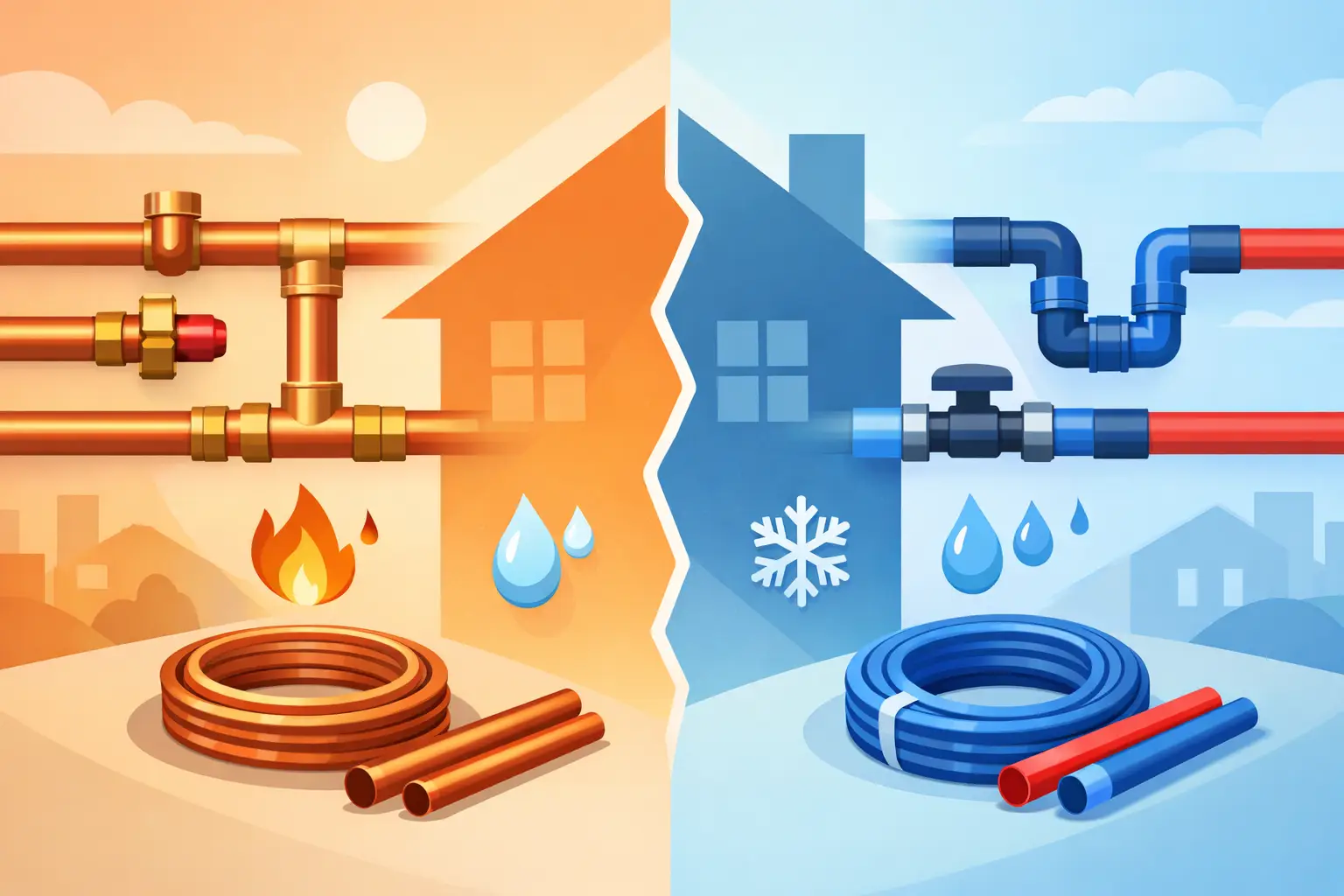
A repipe is not a small repair. Once aging pipes begin causing repeated leaks, rusty water, weak pressure, or damage behind walls, homeowners need a material choice that will hold up for decades. In copper versus PEX repiping, there is no universal winner. The right option depends on your home’s layout, water conditions, budget, insurance requirements, and the qualifications of the plumber doing the work.
For Los Angeles County homes, the decision often comes down to balancing long-term confidence with disruption and price. A licensed repiping specialist should inspect the existing system, explain where new lines will run, identify needed wall repairs, and provide a written scope before work starts.
Copper Versus PEX Repiping at a Glance
Copper has been a standard residential water-pipe material for generations. It is a rigid metal pipe, typically installed with soldered or press fittings, and it has a familiar track record with homeowners, inspectors, and buyers. Copper is resistant to UV exposure, does not burn, and can be an appealing choice when homeowners prefer a traditional, premium plumbing material.
PEX, short for cross-linked polyethylene, is a flexible plastic tubing used for hot and cold water supply lines. It can bend around many framing obstacles, which usually means fewer fittings and less wall opening during installation. Modern PEX is widely accepted by local plumbing codes when installed correctly, but it must be protected from direct sunlight and physical damage.
The practical distinction is simple: copper is durable, rigid, and generally more expensive to install. PEX is flexible, efficient to install, and often more budget-friendly. Both can be reliable repiping materials when the design, connections, and workmanship are right.
Cost: Why PEX Often Has the Lower Project Price
PEX repiping commonly costs less than copper because the material itself is less expensive and the installation can move faster. Its flexibility allows a plumber to route long runs through attics, crawl spaces, and wall cavities with fewer joints. Fewer connections can reduce labor time and potential leak points, although the fittings that are used still need to be installed precisely.
Copper typically requires more labor. Each pipe section must be measured, cut, joined, and securely supported. In a two-story home, a condo with tight access, or a property with extensive finished surfaces, that added labor can have a noticeable effect on the proposal.
Do not compare bids only by the bottom-line number. Ask whether the price includes permits, drywall access and patching, fixture connections, shutoff valves, pressure testing, cleanup, and any required inspections. A low estimate may exclude work that another plumber has already included. For rental properties and multifamily buildings, also confirm whether the quote accounts for unit access, tenant scheduling, and water shutoff coordination.
Durability and Expected Service Life
Copper has a long service history, and a properly installed copper system can last for decades. However, copper is not immune to failure. Water chemistry, pipe sizing, high water pressure, poor grounding, and aggressive soil conditions can contribute to pinhole leaks or corrosion. Some Los Angeles-area homes with older copper lines experience recurring pinhole leaks long before a homeowner expected to repipe.
PEX does not corrode like metal, which is a meaningful advantage in homes with water conditions that have been hard on copper. It also expands more readily during a freeze than rigid pipe, though freezing is less common in most of Los Angeles County than in colder climates. PEX can still fail if it is exposed to sunlight, damaged by rodents, installed too close to a heat source, or connected with incompatible fittings.
Material alone does not determine service life. A repipe should include proper support, protective sleeves where pipes pass through framing, accessible shutoffs, correctly sized lines, and a tested pressure-reducing valve when incoming pressure is too high. Those details protect either material.
Water Quality and Taste
Some homeowners prefer copper because it is metal and has a long-established reputation for potable-water piping. Others prefer PEX because it avoids the corrosion issues associated with aging metal pipe. Neither choice should be made solely on a claim that one material automatically produces better water.
If your concern is discolored water, metallic taste, or particles at fixtures, first identify the source. The issue may involve old galvanized supply lines, failing copper, a water heater, fixture components, or a municipal supply event. A qualified plumber can inspect the plumbing system and advise whether pipe replacement is likely to address the problem.
Installation Disruption in Los Angeles Homes
For many homeowners, the biggest concern is not pipe material. It is what the crew will need to open, move, and restore. PEX can be less invasive because it is easier to route through existing spaces. That may reduce the number or size of access openings, especially in slab homes, older bungalows, and homes with limited crawl-space access.
Copper can require more direct routing and more joints, but it may still be the best fit where pipes are exposed, subject to possible physical damage, or required by a specific project plan. A good contractor will map the proposed routes before starting rather than making vague promises that there will be "minimal damage."
Ask where crews expect to cut drywall, whether furniture protection is included, how long water will be off, and who handles patching after plumbing work is complete. If you are planning a kitchen or bathroom remodel, combining the repipe with scheduled wall access can reduce duplicated repair work.
When Copper May Be the Better Choice
Copper may make sense for homeowners who prioritize a traditional material, have the budget for a higher upfront investment, or need pipe in locations where rigidity and exposed-pipe durability are advantages. It can also be a straightforward choice when matching existing copper work is necessary for a targeted partial replacement.
That said, partial repipes require careful planning. Joining new material to old, deteriorated piping does not eliminate the risk of future leaks elsewhere. If multiple sections are failing, ask whether a full repipe offers better value than continuing with isolated repairs.
When PEX May Be the Better Choice
PEX is often a strong choice for a full-house repipe where cost control and efficient installation matter. Its flexibility can be especially useful in homes with complex framing, additions, finished interiors, or long runs from the main supply to bathrooms. It is also commonly selected when corrosion has affected existing metal piping.
PEX is not a shortcut. The installer should use an approved system, follow manufacturer requirements, protect tubing from UV light, and use compatible fittings. Ask which PEX system the company uses and why. A clear answer is a better sign than a vague assurance that all PEX is the same.
How to Compare Repiping Plumbers Before You Hire
A full repipe affects your home, budget, and daily water service. Treat it as a licensed specialty project, not a quick plumbing call. Before scheduling work, verify that the company holds an active California plumbing-related contractor license appropriate for the job and carries current insurance. Review real customer feedback with attention to project communication, cleanliness, permit handling, and how the company addressed problems.
Request an itemized written estimate and compare the actual scope. You should know the proposed material, pipe size, connection method, number of fixtures served, permit responsibility, estimated timeline, warranty terms, and restoration expectations. For homes built before 1978, ask how the company will manage possible lead-based paint during wall access.
The Plumbing Connection helps Los Angeles homeowners compare verified local plumbers by licensing details, real review signals, specialties, service areas, and availability. Whether you choose copper or PEX, selecting a qualified repiping contractor is the decision that protects the material investment.
Questions Worth Asking at the Estimate
Ask the plumber why they recommend copper or PEX for your specific property, not just which material they install most often. Also ask whether they found high water pressure, signs of corrosion, undersized lines, or an aging pressure regulator that should be addressed during the project.
Confirm how long the water shutdown will last, whether you can remain in the home, and what happens if hidden conditions are found after walls are opened. Finally, get the warranty in writing and make sure it distinguishes between workmanship coverage and manufacturer coverage.
A repipe should leave you with more than new pipes. It should leave you with clear documentation, tested water lines, dependable shutoffs, and confidence that the plumber standing behind the work is licensed, local, and easy to reach.
Get a free quote from a local plumber
Tell us what you need. Vetted plumbers in your area will reach out, usually the same day. No cost, no obligation.
Related Articles
Is Trenchless Sewer Worth It for LA Homes?
Is trenchless sewer worth it? Compare costs, limits, and long-term value for Los Angeles homes before choosing a licensed local plumber with confidence.
Best Plumbers for Apartment Buildings in LA
Find the best plumbers for apartment buildings in Los Angeles County. Compare verified licenses, real reviews, specialties, and emergency availability.
Emergency Plumber Response Time Example Explained
See an emergency plumber response time example for Los Angeles, learn what affects arrival, and choose a licensed pro without delays or surprises.
Need a Plumber in Los Angeles?
Compare 112+ verified plumbers with real reviews from Google and Yelp.
Find a Plumber Near You