September 28, 2026
Guide to Sewer Line Repair for Los Angeles Homes
Use this guide to sewer line repair to spot warning signs, compare repair options, and hire a verified Los Angeles plumber with confidence when needed.
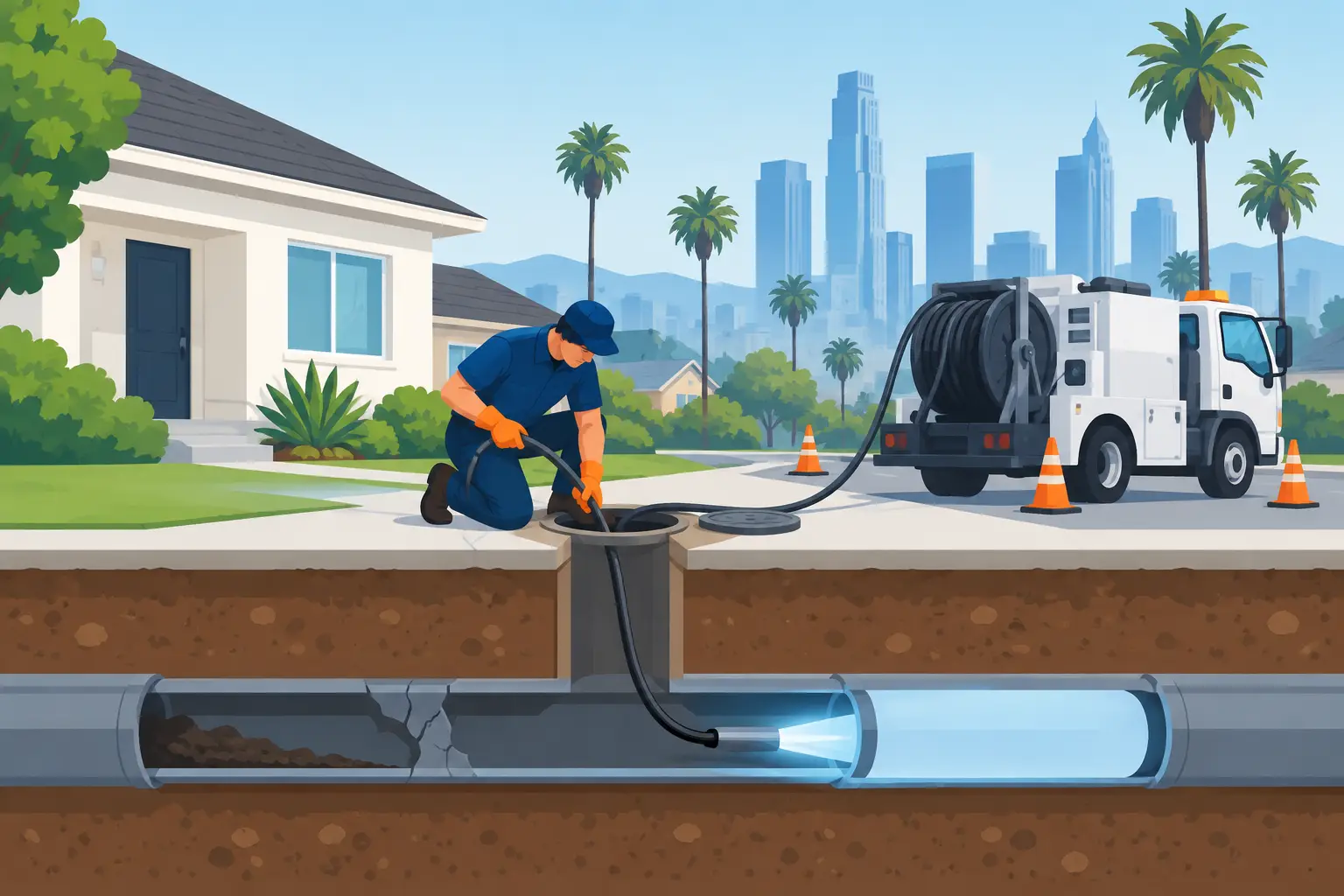
A sewer problem rarely starts with a dramatic backup. More often, it begins with one slow drain, a toilet that gurgles after the washer runs, or an odor near the yard. This guide to sewer line repair helps Los Angeles homeowners and property managers recognize the warning signs, understand the likely repair paths, and choose a trusted local plumber without guesswork.
Know When a Sewer Line Needs Attention
A clogged sink can be a fixture-level problem. When several drains act up at once, the issue may be farther down the line. Your main sewer line carries wastewater from the home to the public sewer connection or, in some properties, a septic system. A blockage, break, offset pipe, or invasive tree root can interrupt that flow.
Call a licensed plumber promptly when toilets, tubs, showers, and lower-level drains back up together. This is especially urgent if wastewater appears in a shower, bathtub, floor drain, garage, or yard. Avoid repeatedly flushing or using chemical drain cleaners. More water can turn a contained blockage into indoor water damage, and harsh chemicals can complicate diagnosis or damage older piping.
Other warning signs deserve a scheduled inspection before they become an emergency. Watch for recurring clogs in the same area, bubbling toilets, sewage smells, unusually green or wet patches in the yard, slow drains throughout the property, or a sudden increase in pests around a drain area. For rental properties, repeated tenant complaints about drainage should be documented and addressed quickly rather than treated as separate minor clogs.
What Causes Sewer Line Problems in Los Angeles
Los Angeles County has a broad mix of housing ages, soil conditions, lot sizes, and pipe materials. A 1920s bungalow in Pasadena, a postwar home in the San Fernando Valley, and a newer property in Long Beach may have very different sewer-line risks.
Older homes may still have cast iron, clay, Orangeburg, or aging galvanized components. Cast iron can corrode and develop rough interiors that catch waste. Clay sections can shift or separate at joints. Orangeburg, a fiber-based pipe used in some mid-century construction, can deform or deteriorate over time. Newer ABS or PVC sewer pipes are generally durable, but poor installation, ground movement, or root intrusion can still create trouble.
Tree roots are one of the most common local causes. Roots seek moisture and can enter through small openings at pipe joints or cracks. A cable clearing may restore flow, but it does not repair the opening that allowed roots in. If roots return quickly, a camera inspection is usually the sensible next step.
Ground movement also matters. Southern California soil can shift with drought, moisture changes, hillside conditions, and seismic activity. That movement may create a belly, where part of the line sags and retains water and debris, or an offset joint, where pipe sections no longer align. These problems generally require more than routine drain cleaning.
Start With a Camera Inspection
Before agreeing to a major sewer repair, ask for a sewer camera inspection. A qualified plumber feeds a specialized camera through an accessible cleanout or drain opening to view the condition of the line. The inspection can help identify roots, cracks, collapsed sections, grease buildup, standing water, pipe material, and the approximate location of a defect.
A video inspection is valuable because the right repair depends on the actual failure. A line packed with roots may respond to cleaning and targeted repair. A collapsed clay section may need excavation or replacement. A pipe with widespread corrosion might be a better candidate for trenchless rehabilitation than repeated spot repairs.
Ask the plumber to explain the footage in plain language and identify where the problem sits: under the house, beneath a driveway, in the landscaped yard, or near the connection to the city sewer. If a repair will involve a large cost, it is reasonable to request a copy of the camera footage or a written report identifying the findings and recommended scope.
Sewer Line Repair Options and Their Trade-Offs
There is no single best repair method. The best choice depends on pipe condition, access, depth, local code requirements, and whether the damage is limited or widespread.
Drain Cleaning and Root Removal
For a line obstructed by roots, scale, or buildup, a plumber may use a drain cable machine or hydro jetting. This can restore flow quickly and is often the least expensive first step when the pipe itself remains structurally sound.
The trade-off is that cleaning does not fix broken joints, cracks, or a collapsed line. Root clearing may need to be repeated if the pipe has openings. Be cautious of any provider who promises a permanent cure without confirming the condition of the pipe by camera.
Spot Repair
A spot repair replaces a damaged section rather than the entire line. It can make sense when camera footage shows one isolated break, offset, or root-damaged joint and the remaining pipe is in good condition.
This approach may require digging, particularly when the damaged section is in a yard or driveway. It can be cost-effective, but a spot repair is less appealing when the rest of an older line shows substantial corrosion, cracking, or multiple weak areas.
Trenchless Pipe Lining
Pipe lining creates a new pipe within the existing one. After cleaning and preparing the line, a resin-saturated liner is inserted and cured in place. It can be a strong option for certain pipes with cracks, root intrusion, or corrosion, especially where excavation would disturb landscaping, hardscape, or interior finishes.
Lining is not appropriate for every situation. A severely collapsed pipe, a line with major sags, or a pipe with incorrect slope may need excavation instead. Because lining slightly reduces the interior diameter, the plumber should confirm that the finished pipe size and flow capacity are suitable for the property.
Pipe Bursting or Full Replacement
Pipe bursting pulls a new pipe through the path of the old line while breaking apart the existing pipe. Conventional excavation removes and replaces the pipe through an open trench. These methods are often the better long-term answer for collapsed, badly offset, or extensively deteriorated sewer lines.
Excavation can be disruptive, especially under concrete, mature landscaping, garages, or interior slabs. Still, it may provide the most reliable solution when the line needs slope correction or when access conditions prevent trenchless work. A clear proposal should state what restoration is included and what is not, such as concrete, tile, drywall, landscaping, or permits.
How to Compare Sewer Repair Estimates
A sewer line repair estimate should do more than provide one large number. It should explain the diagnosis, recommended repair method, approximate footage, access points, materials, permit needs, and restoration responsibilities. If a quote is vague, ask for the scope in writing before work begins.
When comparing Los Angeles plumbers, focus on proof rather than the lowest initial price. Verify that the contractor holds an active California plumbing license and carries appropriate insurance. Review real customer feedback, paying attention to comments about communication, cleanup, permits, warranty follow-through, and whether the final bill matched the approved scope.
For larger repairs, compare at least two qualified estimates when conditions allow. An emergency sewage backup may require immediate clearing to protect the property, but you can still request documentation before committing to a full replacement. Trusted directory listings can make this process faster by showing license verification, specialties, review signals, service areas, years in business, and emergency availability side by side.
Ask each contractor these practical questions before approving a major repair:
- What did the camera inspection show, and can you provide the footage or report?
- Is the recommendation a cleaning, a targeted repair, or a full replacement, and why?
- Will permits, inspections, and utility-location requirements be handled?
- What surfaces may be disturbed, and what restoration is included in the quoted price?
- What warranty applies to labor and materials, and what conditions could affect it?
Protect the Property While You Wait
If sewage is backing up, stop using water fixtures as much as possible. Do not run the dishwasher, washing machine, or irrigation near a suspected leak area. Keep children and pets away from contaminated water, ventilate the space if safe to do so, and avoid direct contact. A licensed plumber can address the plumbing failure, while a qualified cleanup professional may be necessary if sewage has affected finished areas, flooring, insulation, or belongings.
For landlords and property managers, record the time of the report, impacted fixtures, visible conditions, and all communication with the contractor. Fast action protects residents, limits damage, and creates a clearer record if repair decisions or insurance questions arise later.
A sewer line repair is a high-stakes home service decision, but it does not have to be a blind one. Start with a documented diagnosis, verify the plumber's license and local track record, and choose a repair scope that addresses the actual condition of the line. The right contractor will make the problem understandable before asking you to approve the work.
Get a free quote from a local plumber
Tell us what you need. Vetted plumbers in your area will reach out, usually the same day. No cost, no obligation.
Related Articles
Is Trenchless Sewer Worth It for LA Homes?
Is trenchless sewer worth it? Compare costs, limits, and long-term value for Los Angeles homes before choosing a licensed local plumber with confidence.
Best Plumbers for Apartment Buildings in LA
Find the best plumbers for apartment buildings in Los Angeles County. Compare verified licenses, real reviews, specialties, and emergency availability.
Emergency Plumber Response Time Example Explained
See an emergency plumber response time example for Los Angeles, learn what affects arrival, and choose a licensed pro without delays or surprises.
Need a Plumber in Los Angeles?
Compare 112+ verified plumbers with real reviews from Google and Yelp.
Find a Plumber Near You