September 22, 2026
Low Water Pressure: Causes and What to Do
Low water pressure can signal a simple fixture clog or a serious pipe issue. Learn what to check first and when to call a verified Los Angeles plumber fast.
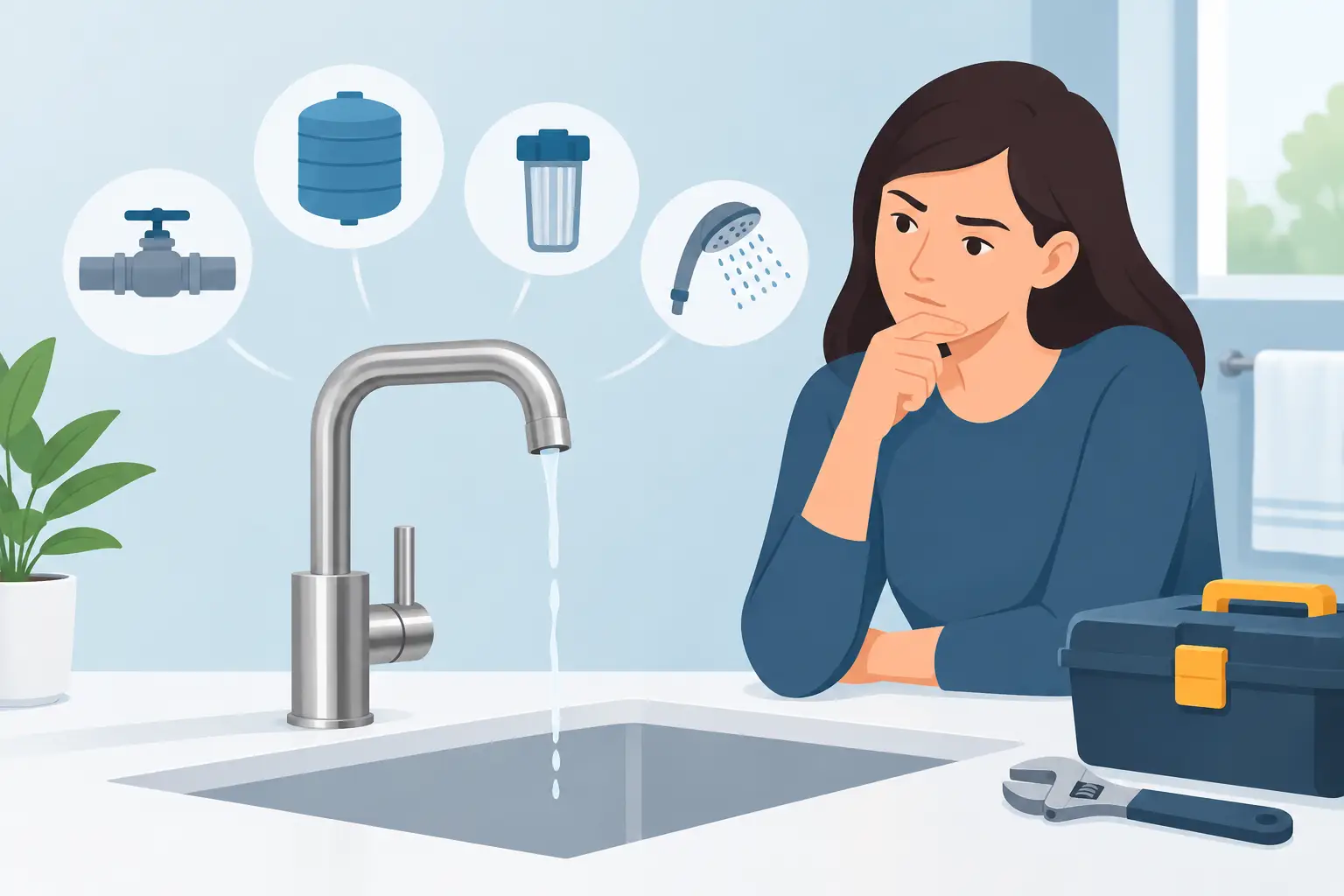
A shower that suddenly feels weak, a washing machine that takes too long to fill, or a kitchen faucet reduced to a trickle can turn a normal day into a plumbing problem. Low water pressure is often fixable, but the right fix depends on whether the issue is limited to one fixture, one part of the property, or the entire water supply. For Los Angeles homeowners and property managers, a quick diagnosis can prevent wasted water, property damage, and an unnecessary service call.
Start by Identifying Where the Pressure Is Low
Before assuming the problem is inside a pipe, narrow down its location. Turn on cold and hot water at several faucets, then test the shower, outdoor hose bib, and any other accessible fixture. This simple comparison tells you whether you are dealing with a fixture-level clog, a water-heater issue, or a broader plumbing concern.
If low pressure affects only one faucet or showerhead, the cause is usually local. Mineral buildup, debris, a partly closed stop valve, or a worn fixture cartridge is more likely than a major pipe problem. If every fixture has weak flow, especially both hot and cold water, the issue may involve the main shutoff valve, pressure regulator, supply line, water meter, or municipal service.
In a multifamily building, compare notes with nearby units when possible. If several apartments or condos are affected at once, the property’s shared plumbing system or the local water supply may be responsible. Tenants should report the issue promptly rather than attempting repairs to building-owned equipment.
Common Causes of Low Water Pressure
Clogged Aerators and Showerheads
Los Angeles water can leave mineral deposits behind, particularly on fixture screens and shower nozzles. An aerator is the small screen at the end of a faucet spout. When sediment or scale blocks it, water flow drops even though the plumbing behind it is working normally.
Unscrew the aerator carefully and rinse it out. If it is heavily scaled, soaking it in vinegar can help loosen deposits. Do the same with a removable showerhead. This is one of the few low-pressure problems that many homeowners can address safely without a plumber.
Partially Closed Valves
A fixture’s stop valve sits below a sink or behind a toilet. A main water shutoff valve is typically located near the water meter, at the point where the supply enters the home, or in another accessible utility area. If a valve was not fully reopened after a repair, pressure can be restricted.
Check only valves you can identify safely. Do not force a stuck or corroded valve. Older valves can fail when turned, creating a leak that requires immediate repair.
Pressure Regulator Problems
Many homes have a pressure-reducing valve, also called a pressure regulator, on the main water line. Its job is to keep incoming water pressure at a safe level for fixtures and pipes. When it wears out or is improperly adjusted, the result can be consistently weak flow throughout the house or pressure that changes unexpectedly.
A plumber can test the pressure with a gauge and determine whether the regulator needs adjustment or replacement. This is not a good guess-and-check repair. Excessively high pressure can be just as damaging as low pressure and may shorten the life of supply lines, appliances, and water heaters.
Hot-Water-Only Pressure Loss
If cold water runs normally but hot water is weak at multiple fixtures, focus on the water-heating side of the system. Sediment in a tank-style water heater, a failing shutoff valve, a restricted flex line, or a problem with a mixing valve can limit hot-water flow.
Because water heaters involve pressurized plumbing, fuel or electrical connections, and scalding temperatures, this is usually a job for a licensed plumber. The technician should identify the restriction rather than simply flushing or replacing equipment without testing the rest of the system.
Aging, Corroded, or Galvanized Pipes
Older Los Angeles homes may still have galvanized steel water lines. These pipes can corrode internally over decades, narrowing the passage where water travels. The outside of the pipe may look acceptable while the inside has become severely restricted.
This problem typically develops gradually. You may notice worsening pressure over months or years, discolored water, recurring leaks, or poor flow at multiple fixtures. Cleaning one faucet will not solve a system-wide pipe restriction. Depending on the condition and layout of the home, a plumber may recommend targeted pipe replacement or a larger repiping project.
Leaks in the Water Line
A hidden leak can reduce available pressure, especially if the leak is substantial. Watch for damp areas, unexplained water bills, the sound of water moving when fixtures are off, mildew odors, or unusually green patches in landscaping. A slab leak or underground supply leak deserves prompt attention because delays can increase repair costs and cause structural damage.
Not every leak causes noticeable low pressure, and not every low-pressure problem is a leak. Professional testing helps avoid expensive assumptions.
Municipal or Neighborhood Supply Issues
A water-main repair, hydrant use, nearby construction, or temporary utility work can affect service pressure. If the problem appeared suddenly and neighbors report similar conditions, contact your local water provider before authorizing private plumbing work.
Still, do not assume the utility is at fault if only your property is affected. A verified local plumber can inspect the private side of the system, including the meter connection and main line, and help separate a utility issue from a home plumbing issue.
What You Can Check Before Calling a Plumber
A few safe checks can make your service call more efficient. Avoid disassembling pipes, adjusting pressure regulators, or working around water heaters unless you have the experience to do so.
- Test several fixtures on both hot and cold settings.
- Ask whether neighbors or other units have the same issue.
- Confirm visible fixture shutoff valves are fully open.
- Clean a clogged aerator or showerhead if the issue is limited to that fixture.
- Look for signs of leaks, including wet spots, water sounds, or an unexplained bill increase.
Write down when the issue began and whether it is constant or intermittent. A pressure drop only during certain times of day can point to a supply-demand issue, while pressure that declines steadily may indicate scaling, corrosion, or a developing leak.
When Low Water Pressure Needs Professional Help
Call a plumber when pressure is low throughout the property, when the problem affects hot water at several fixtures, or when you see signs of a leak. You should also schedule service if water is rusty, pressure fluctuates sharply, pipes are old galvanized steel, or a regulator may be failing.
For property managers, low pressure complaints should be documented by unit and fixture. That record helps determine whether the repair belongs to an individual fixture, a unit branch line, or the building’s common plumbing system. It also helps a plumber arrive prepared for the likely scope of work.
When comparing Los Angeles plumbers, look beyond a low quoted price. Confirm the contractor holds an active license appropriate for the work, carries relevant insurance, and has real review history for the service you need. Ask whether the diagnostic fee is applied to repairs, whether the estimate separates diagnosis from replacement work, and whether permits may be required for main-line or repiping projects.
The Plumbing Connection helps local consumers compare verified plumbers by specialty, service area, emergency availability, years in business, and real review signals, without a lead broker standing between you and the provider.
Protect Your Plumbing After the Repair
Once pressure is restored, ask the plumber what caused the restriction and whether the fix addresses the underlying issue or only a symptom. A replaced aerator may be all that is needed. But if debris keeps returning, the water heater is producing sediment, or old pipes are corroding, a longer-term plan may save money and disruption later.
Low water pressure rarely improves on its own when it is caused by a leak, failing regulator, or aging supply line. A clear diagnosis from a trusted, licensed local plumber gives you the information to act quickly and choose the repair that fits your property.
Get a free quote from a local plumber
Tell us what you need. Vetted plumbers in your area will reach out, usually the same day. No cost, no obligation.
Related Articles
Is Trenchless Sewer Worth It for LA Homes?
Is trenchless sewer worth it? Compare costs, limits, and long-term value for Los Angeles homes before choosing a licensed local plumber with confidence.
Best Plumbers for Apartment Buildings in LA
Find the best plumbers for apartment buildings in Los Angeles County. Compare verified licenses, real reviews, specialties, and emergency availability.
Emergency Plumber Response Time Example Explained
See an emergency plumber response time example for Los Angeles, learn what affects arrival, and choose a licensed pro without delays or surprises.
Need a Plumber in Los Angeles?
Compare 112+ verified plumbers with real reviews from Google and Yelp.
Find a Plumber Near You