July 12, 2026
Plumber Comparison Tool for Los Angeles Homes
Use a plumber comparison tool to check licenses, real reviews, specialties, service areas, and emergency availability in Los Angeles County before calling
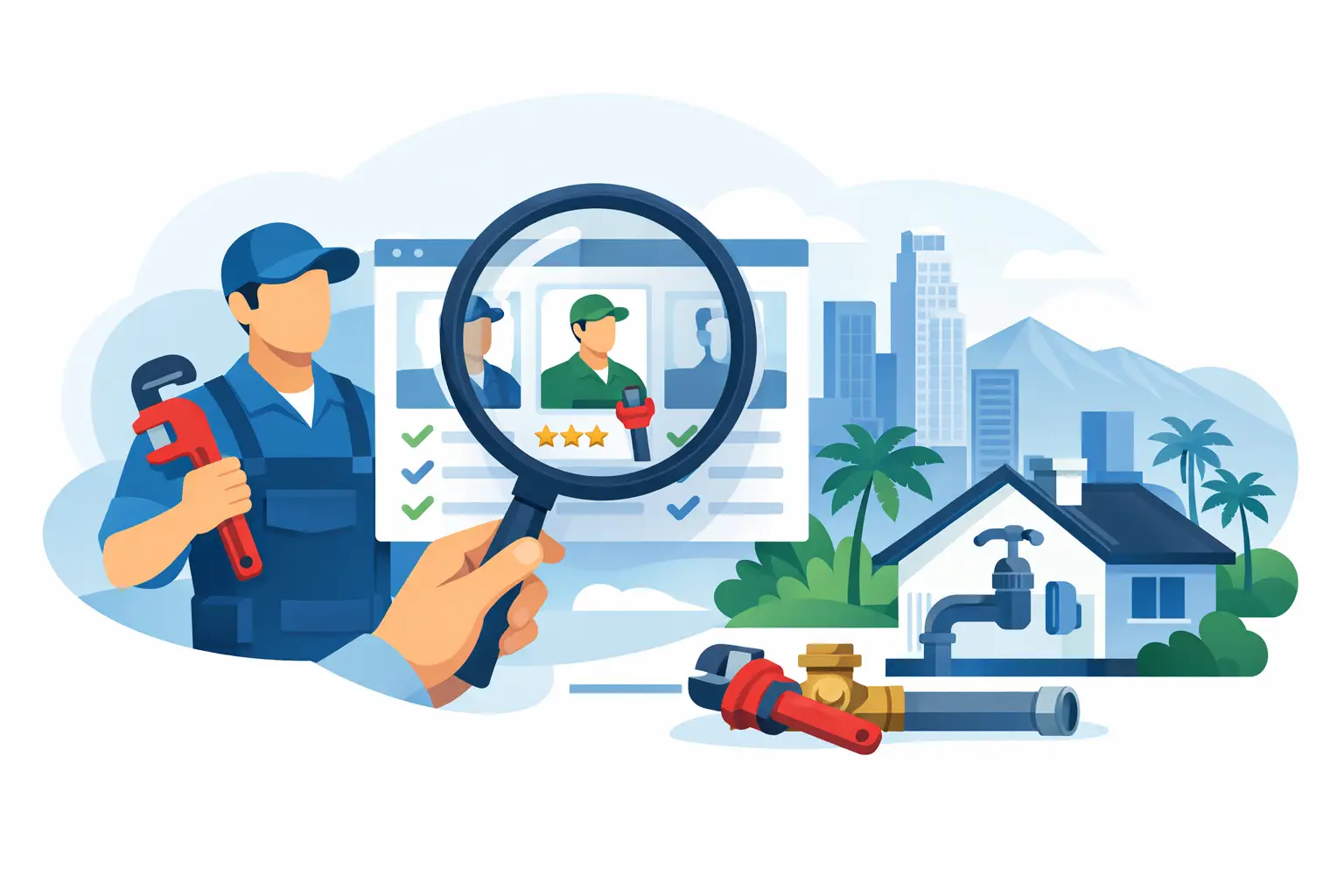
A burst pipe in Sherman Oaks, a backed-up sewer line in Long Beach, or a failed water heater in Pasadena creates the same problem: you need a qualified plumber quickly, but you cannot afford a bad decision. A plumber comparison tool gives Los Angeles County homeowners and property managers a faster way to sort through local options using the details that actually matter - verified licensing, real review signals, specialties, service coverage, and availability.
The goal is not to spend hours researching contractors. It is to identify a trusted local plumber you can call directly, with enough information to feel confident about the next step.
What a Plumber Comparison Tool Should Show You
A useful comparison tool goes beyond a list of names and star ratings. Plumbing work can involve property damage, health concerns, permit requirements, and expensive repairs. Whether you are dealing with a small leak or planning a repipe, the provider needs to be qualified for that specific job.
Start with licensing. In California, a plumbing contractor performing work that requires a license should hold the appropriate active contractor license. License information helps you confirm that the business is operating under a real, accountable entity instead of relying on an unverified ad, a social media post, or a vague referral. It is one of the clearest ways to reduce risk before inviting someone into your home or building.
Then look at public reviews in context. A 5-star rating based on a handful of reviews does not tell the same story as a strong rating supported by years of customer feedback. Review volume, consistency, recent comments, and details about communication or completed work all matter. A reliable plumber may have an occasional negative review. What matters is whether the overall record shows dependable service, clear expectations, and follow-through.
A strong local directory also makes it easy to see service areas, years in business, emergency availability, and specialty services side by side. That prevents wasted calls to companies that do not serve your neighborhood or do not handle the repair you need.
Compare the Job, Not Just the Rating
The highest-rated plumber is not automatically the right plumber for every situation. Plumbing is broad, and many companies focus on certain types of work. The right comparison starts with the problem in front of you.
For a leaking shutoff valve, clogged drain, toilet repair, or garbage disposal issue, a general residential plumber with good local feedback may be the best fit. For a recurring sewer backup, root intrusion, collapsed line, or older property with drainage problems, prioritize companies that clearly list sewer camera inspections, hydro jetting, trenchless repair, or sewer replacement.
Water heater work also requires a closer look. Tank, tankless, electric, gas, and heat pump systems can have different installation requirements. If you are replacing a unit rather than repairing it, compare plumbers with relevant water heater experience and ask whether permits, hauling away the old unit, and code upgrades are included in the estimate.
For repiping, gas line work, slab leaks, or major remodels, experience and licensing deserve even more weight. These are not jobs to choose solely on the lowest quote or the first company that answers the phone. A comparison tool should help you find providers whose listed specialties match the scope and urgency of the work.
The Trust Markers That Deserve Your Attention
When comparing plumbers, focus on proof rather than marketing language. A company can call itself affordable, fast, or the best in Los Angeles. The details behind those claims are what help you make a sound choice.
Check for an active license record and a business name that matches the company you are considering. Confirm the service area, especially in a county as large as Los Angeles. A plumber based in the San Fernando Valley may serve West LA or the South Bay, but not always, and travel time can affect emergency response and scheduling.
Pay attention to years in business, but use that information fairly. A newer company can provide excellent work, while a long-established business may have the deeper experience needed for a complicated sewer or repiping project. Years in business become more useful when paired with real reviews, verified information, and a clear description of services.
Emergency availability is another important distinction. Some companies offer true 24-hour response, while others take after-hours messages or schedule the next available appointment. If water is actively damaging your property, ask direct questions: Can someone come out tonight? Is there an emergency service fee? Is there a minimum charge? What can I safely do while waiting?
How to Use a Plumber Comparison Tool Under Pressure
An emergency does not leave much room for research, but five focused minutes can still prevent an expensive mistake. First, take reasonable steps to limit damage. Shut off the fixture valve if the issue is isolated. If a pipe is leaking heavily or water is spreading, locate the main water shutoff if you can do so safely. Do not use chemical drain cleaners in a severe clog or backup, especially if a plumber may need to work on the line.
Next, filter local plumbers by your city or nearby service area and the service you need. A burst supply line, sewer backup, no-hot-water call, and gas smell are different situations. Gas odors or suspected gas leaks require immediate safety action and contact with the utility or emergency services as appropriate, not a routine online comparison.
For standard plumbing emergencies, compare at least two or three qualified providers if time allows. Look for verified license information, a meaningful public review history, and an emergency availability indicator. Call directly rather than submitting your details to a lead form that may circulate your information to multiple companies.
During the call, describe the symptom, not your diagnosis. Say that the toilet is overflowing, the sewer cleanout is backing up, or the water heater is leaking from the bottom. Ask whether the company handles that issue, when it can arrive, how the service call is priced, and whether the technician can provide options before starting major work.
Price Comparisons Work Best With Clear Scope
Comparing prices is smart. Comparing vague prices is not. A low phone estimate can exclude diagnostic time, equipment, parts, permits, after-hours fees, or work that becomes necessary after the plumber inspects the problem.
For smaller repairs, ask about the diagnostic or service-call fee and whether it is applied to the repair. For larger work, request a written estimate that states what is included. A sewer repair estimate, for example, should clarify the affected line, repair method, access requirements, restoration responsibilities, permit expectations, and warranty terms.
Do not assume the cheapest option is a bargain. A quote may be lower because it covers a smaller repair, uses different materials, excludes restoration, or does not address the underlying cause. On the other hand, the highest estimate is not automatically the most thorough. The best comparison is between written scopes that describe the same work.
If the diagnosis is uncertain, paying for a proper inspection can be more cost-effective than approving a quick fix that fails weeks later. This is especially true for recurring drain clogs, intermittent leaks, slab leak concerns, and aging sewer systems common in older Los Angeles properties.
Why Direct Contact Matters
Many homeowners do not realize that some home-service sites operate as lead brokers. You enter your phone number to request help, then your information may be sold or routed to multiple providers. That can mean repeated calls, unclear business identities, and pressure to book the first available appointment.
A verification-first local directory takes a different approach. It organizes comparison details so you can choose the business you want and contact that plumber directly. There is no middleman trying to control the conversation or add friction when you need answers.
The Plumbing Connection is designed around this local, consumer-first process for Los Angeles County: compare verified listings, review key service details, and call providers without lead-broker pressure. That matters when the decision involves your home, your tenants, or an urgent repair bill.
A Better Way to Make the Call
Before scheduling, confirm the company name, license details, arrival window, and expected service-call or diagnostic charge. For any substantial repair, ask for the findings and options in writing before approving work. Keep photos of the issue and save invoices, inspection notes, and warranty information for your records.
A good plumber comparison does not replace professional judgment. It gives you a clearer starting point, so the plumber you call is more likely to be licensed, local, qualified for the job, and ready to explain the work plainly. When water, sewer, or gas problems demand a quick decision, that clarity is worth having before the first truck arrives.
Get a free quote from a local plumber
Tell us what you need. Vetted plumbers in your area will reach out, usually the same day. No cost, no obligation.
Related Articles
Is Trenchless Sewer Worth It for LA Homes?
Is trenchless sewer worth it? Compare costs, limits, and long-term value for Los Angeles homes before choosing a licensed local plumber with confidence.
Best Plumbers for Apartment Buildings in LA
Find the best plumbers for apartment buildings in Los Angeles County. Compare verified licenses, real reviews, specialties, and emergency availability.
Emergency Plumber Response Time Example Explained
See an emergency plumber response time example for Los Angeles, learn what affects arrival, and choose a licensed pro without delays or surprises.
Need a Plumber in Los Angeles?
Compare 112+ verified plumbers with real reviews from Google and Yelp.
Find a Plumber Near You