June 4, 2026
When Should I Call an Emergency Plumber?
When should I call an emergency plumber? Learn which plumbing problems need immediate help and how to act fast to limit water damage safely.
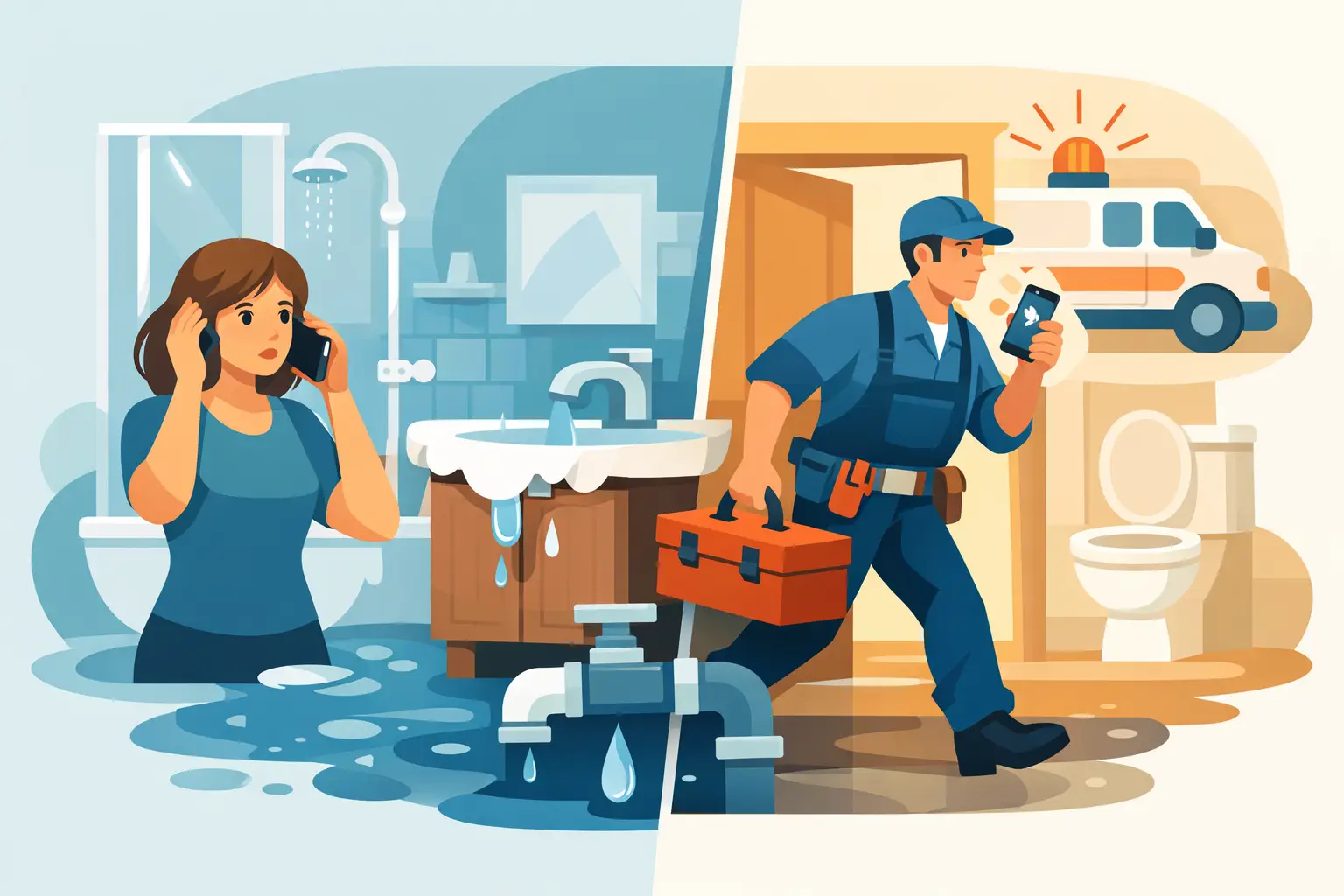
A toilet is overflowing, water is creeping across the floor, and it is 10:30 p.m. That is usually when people stop asking whether the repair can wait and start asking, when should I call an emergency plumber? The short answer is this: if the problem can cause fast water damage, create a health risk, affect gas service, or leave your home without essential plumbing, it is time to call right away.
For Los Angeles homeowners, renters, and property managers, the bigger issue is not just speed. It is making a smart call under pressure. Some plumbing issues are urgent but can wait until morning with the water shut off. Others can get expensive or dangerous within minutes. Knowing the difference helps you protect the property and avoid wasting time on unvetted contractors.
When should I call an emergency plumber right away?
The clearest emergencies are the ones that keep getting worse if you do nothing. A burst pipe is the classic example. If a supply line breaks behind a wall, under a sink, or near the water heater, every passing minute can mean more damage to drywall, flooring, cabinetry, and electrical areas. Shut off the water if you can, then call.
An overflowing toilet also counts as an emergency when it will not stop, especially if there is only one working toilet in the home or if sewage is involved. The same goes for a backed-up main sewer line. If multiple drains are gurgling, sewage is coming up through tubs or floor drains, or toilets are backing up at the lowest level of the property, that is not a wait-and-see situation.
No hot water is not always an emergency, but sometimes it is. If you have a leaking water heater, rust-colored water combined with active leaking, or signs the unit may fail suddenly, the problem can turn quickly from inconvenience to flooding. If the water heater is gas-powered and you notice a gas smell near the unit, leave the area and treat it as urgent.
Frozen pipes are rare in most of Los Angeles County, but slab leaks, failed angle stops, ruptured washing machine hoses, and irrigation line failures are not. If water is actively escaping and you cannot fully isolate it, call immediately.
Emergencies that involve safety, not just plumbing
Plumbing emergencies are not only about water on the floor. Sometimes the larger danger is exposure, contamination, or fire risk.
A suspected gas line issue should always be treated seriously. If you smell gas near a water heater, stove line, or other plumbing-adjacent gas connection, do not try to diagnose it yourself. Leave the area, follow utility safety guidance, and contact the appropriate emergency services and a qualified professional.
Sewage exposure is another clear reason to act fast. Black water coming into showers, tubs, toilets, or utility drains carries health risk. This is especially urgent in homes with children, elderly residents, tenants, or shared bathrooms where exposure can spread quickly.
Leaks near electrical panels, outlets, garage subpanels, or appliance connections also raise the stakes. What might look like a basic plumbing leak can become a shock or fire hazard. In those cases, your decision should be based on safety first and repair cost second.
Problems that feel urgent but may not need emergency service
Not every plumbing problem at night or on a weekend needs an emergency dispatch. That matters because after-hours service often costs more, and a good plumber will tell you when immediate service is necessary and when it is optional.
A single clogged sink with no overflow risk can usually wait until regular business hours. A dripping faucet, even an annoying one, is rarely an emergency unless the leak is severe or you cannot shut it off. A running toilet is often urgent because it wastes water, but if the shutoff valve works and the overflow risk is controlled, it may not require a middle-of-the-night call.
No hot water can sometimes wait until morning if there are no leaks, no gas concerns, and no vulnerable occupants who need immediate access. The same is true for a garbage disposal jam, a slow shower drain, or a small leak that is fully contained with the fixture isolated.
The test is simple. If you can stop the water, contain the issue, and safely use the rest of the plumbing until business hours, it may be urgent without being an emergency.
How to decide in five minutes
If you are unsure when should I call an emergency plumber, use a fast checklist.
First, ask whether water, sewage, or gas is actively escaping. If yes, call. Second, ask whether the problem affects essential use. If every toilet is backed up, the only shower is unusable due to sewage, or the whole property is without water from a plumbing failure, call. Third, ask whether damage is spreading. Wet drywall, pooling around baseboards, ceiling stains growing by the hour, or water moving between units in a multifamily property all point to immediate service.
Then look at control. Can you shut off the fixture valve or the main water supply? Can you keep people away from the area? Can you prevent more damage until morning? If the answer is no, the situation is more likely to justify emergency service.
This is where property managers need to think differently than single-family homeowners. In duplexes, apartments, and mixed-use buildings, a leak or sewer backup can affect multiple occupants fast. Waiting too long can turn one repair into several claims.
What to do before the plumber arrives
Once you decide to call, your next job is damage control. Shut off the water at the nearest valve if you can do it safely. If that does not work, use the main shutoff. For a water heater leak, turn off the water supply to the heater and, if appropriate and safe, the power or gas according to manufacturer guidance.
Move rugs, boxes, cleaning supplies, and small furniture out of the wet area. Use towels or a wet vacuum if it helps reduce spreading. Take clear photos of the damage and the source area. That helps with documentation and gives the plumber a faster read on what is happening if conditions change before arrival.
If sewage is involved, keep people and pets away. Do not use affected fixtures. If the issue may involve gas, do not linger in the area to gather tools or inspect connections.
When you call, be specific. Say whether the leak is active, whether the main water is off, whether sewage is backing up, and what type of property you have. A good emergency plumber can prioritize and arrive better prepared when the problem is described clearly.
Choosing the right emergency plumber in Los Angeles
Speed matters, but verification matters too. During an emergency, people are more likely to hire the first company that answers. That is understandable, but it is also when bad decisions happen.
In Los Angeles County, response times, licensing, and actual service area coverage vary more than people expect. Some companies advertise 24/7 service but still subcontract after-hours calls. Others handle drain issues but not gas lines, slab leaks, or water heater failures. That is why checking for a valid license, real review volume, emergency availability, and specialty fit is worth the extra two minutes.
If you are comparing providers, focus on trusted, verified information: license status, recent reviews, years in business, and whether they actually serve your neighborhood. A directory like The Plumbing Connection can help narrow that search without the usual lead-form delays or middleman pressure.
Price is part of the decision, but in a real emergency, clarity is often more valuable than the lowest number. Ask about the service call, after-hours rates, and whether temporary stabilization is an option if a full repair cannot be completed immediately. Good plumbers are usually straightforward about what can be done now versus what may need a follow-up visit.
The cost of waiting too long
People often hesitate because they do not want to overreact. That makes sense. Emergency service can cost more, and nobody wants to call at midnight for something minor. But the opposite mistake is common too.
A small active leak inside a wall can become mold, cabinet damage, and flooring replacement. A sewer backup can turn a one-line clearing into sanitation and restoration work. A leaking water heater can fail completely while you sleep. In rental properties, the delay can affect habitability, tenant relations, and insurance documentation.
The best rule is not to wait for certainty. Wait only if the issue is controlled, contained, and safe. If it is still moving, spreading, backing up, or threatening essential use, call.
Most plumbing problems give you a little room to think. The ones that do not are the reason emergency plumbers exist. When the damage clock is already ticking, a fast call to a trusted, verified local pro is usually the cheapest decision you will make all day.
Get a free quote from a local plumber
Tell us what you need. Vetted plumbers in your area will reach out, usually the same day. No cost, no obligation.
Related Articles
Emergency Plumber Response Time Example Explained
See an emergency plumber response time example for Los Angeles, learn what affects arrival, and choose a licensed pro without delays or surprises.
How Licensed Emergency Plumber Listings Save Time
Compare licensed emergency plumber listings in Los Angeles County using verified licenses, real reviews, response details, specialties, and service areas.
Emergency Plumber vs Regular Plumber: Who to Call
Emergency plumber vs regular plumber: learn what qualifies as urgent, what each service costs, and how Los Angeles residents can hire a trusted pro fast.
Need a Plumber in Los Angeles?
Compare 112+ verified plumbers with real reviews from Google and Yelp.
Find a Plumber Near You