September 30, 2026
Slab Leak Outcomes Los Angeles Owners Can Expect
Slab leak outcomes can range from minor flooring damage to foundation and mold concerns. Learn what affects repair choices, cost, and next steps in LA homes
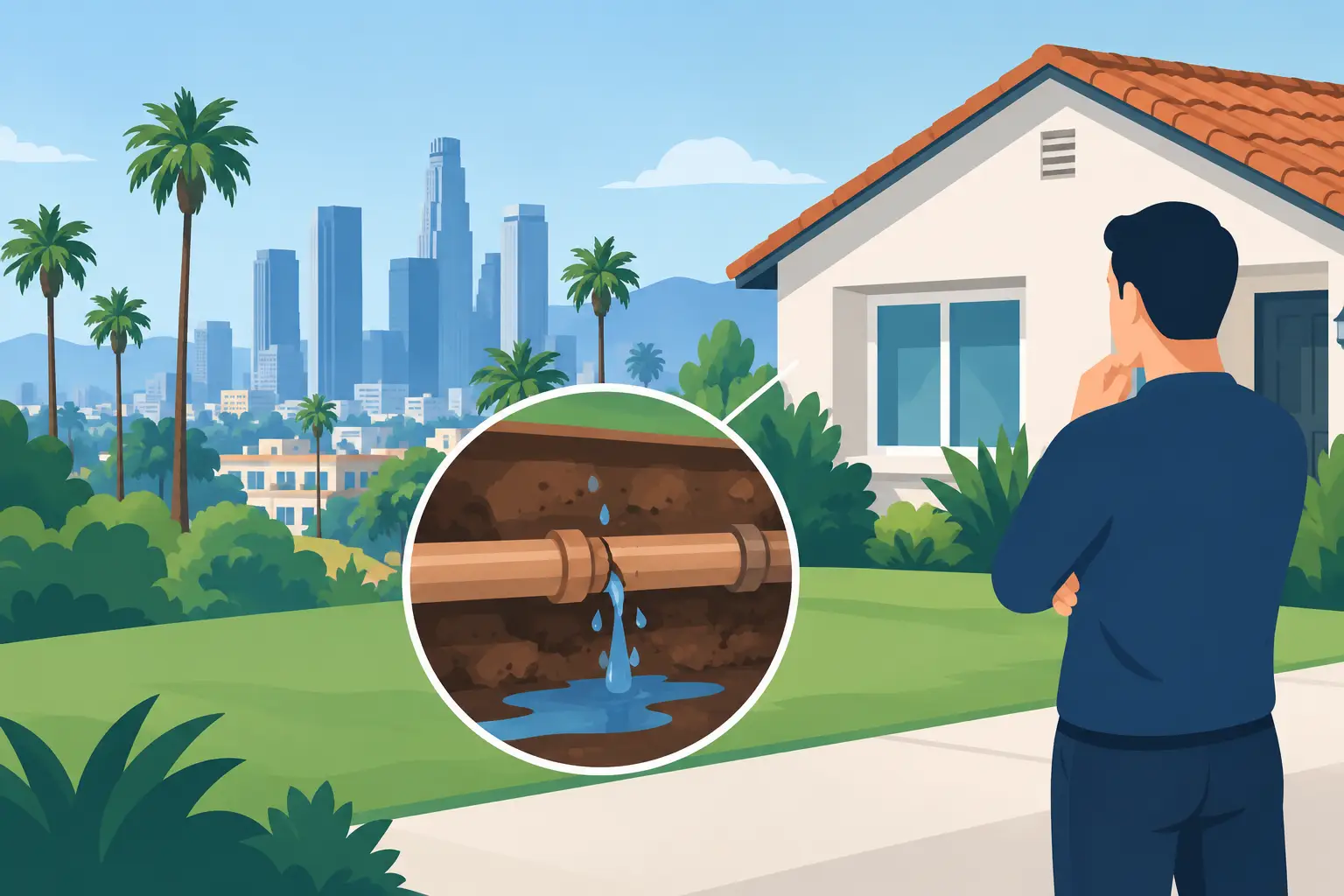
A warm spot on a tile floor, a water bill that climbs without explanation, or the sound of water moving when every fixture is off can point to a problem below the concrete. Slab leak outcomes vary widely, but waiting is what turns a contained plumbing repair into damaged flooring, unhealthy moisture conditions, and a more disruptive restoration project.
For Los Angeles County homeowners and property managers, the right next move is not guessing where the leak is. It is confirming the source quickly, protecting the property, and comparing licensed plumbers with slab leak detection and repair experience. A verified contractor should be able to explain the evidence, the repair options, and the trade-offs before work starts.
What a Slab Leak Can Do to a Home
A slab leak is a leak in a water or drain line located beneath or within a concrete foundation. In many Southern California homes, water supply lines run under the slab. Older copper piping, shifting soil, corrosion, abrasion against concrete, and high water pressure can all contribute to failures over time.
The first outcome may be relatively minor: a small increase in water use or a damp area near one room. But water does not always surface where the pipe is leaking. It can travel beneath flooring, wick into baseboards, or emerge along a wall several feet away. That is why a visible stain alone is not enough to identify the repair location.
The most common property effects include damaged flooring materials, swollen wood trim, loose tile, stained drywall, and moisture beneath carpeting or vinyl. If the leak continues, persistent dampness can support mold growth in hidden materials. The longer water remains in place, the more likely the job will involve both plumbing repair and water-damage restoration.
A leak under a slab does not automatically mean the foundation is failing. That concern deserves a careful, fact-based assessment rather than a sales pitch. In some cases, escaping water can soften or wash away supporting soil, especially when the leak is substantial and prolonged. Foundation movement, cracks, or settlement may then need evaluation by the appropriate specialist. In other cases, the slab is unaffected and the repair is limited to the pipe and finishes above it.
Slab Leak Outcomes Depend on Detection Speed
Fast detection often creates the best outcome because it limits how long water can migrate through the structure. A licensed plumber may use pressure testing, acoustic listening equipment, thermal imaging, or other noninvasive methods to narrow down the source. The method depends on whether the suspected problem is on a pressurized water line, a drain line, or another part of the plumbing system.
Not every leak is an emergency in the same way, but an active supply-line leak should be treated as urgent. If water is visibly pooling, the water meter continues to move with fixtures off, or a water line is confirmed to be leaking, shut off the home’s main water supply if it is safe to do so. Then contact a qualified local plumber.
A slow leak can still be costly. It may waste thousands of gallons, increase utility charges, and saturate materials quietly for weeks. Property managers should take reports of warm floors, musty odors, unexplained humidity, or recurring wet spots seriously, particularly in multi-unit buildings where water may affect a neighboring unit.
The repair choice changes the final result
Once a leak is located, the best repair is not always the one that involves the smallest opening today. A plumber should consider the pipe’s condition, the accessibility of the line, the age of the system, the number of prior leaks, and the likelihood of future failures.
Spot repair means opening the slab or accessing the pipe at the leak location and replacing the failed section. This can be practical when the piping is otherwise in good condition and the leak is isolated. It may have the lowest immediate cost, but it does not address widespread deterioration in older lines.
Rerouting, also called re-piping around the failed under-slab section, moves the water line through walls, ceilings, attics, or other accessible paths. It can reduce the need to break concrete and may be the stronger long-term choice when multiple slab leaks have occurred. The trade-off is that wall or ceiling access and finish repairs may be needed.
In some situations, tunneling beneath the home provides access to the lines without opening interior floors. This may preserve expensive tile or hardwood, but it is not automatically the least expensive option. Soil conditions, crawlspace access, engineering needs, and the extent of the repair all matter.
A trustworthy plumber should present the alternatives in plain language. Ask why a spot repair, reroute, or tunneling approach is recommended for your specific property, what is included in the estimate, and what restoration work remains after the plumbing is complete.
Financial Outcomes: What the Estimate Should Clarify
Slab leak pricing is not one-size-fits-all. The final cost can include leak detection, access to the pipe, the plumbing repair itself, permits where required, pressure testing, patching concrete, and restoration of flooring or walls. A low quote that covers only the pipe repair may leave major restoration costs unaddressed.
Before authorizing work, get clear answers about the scope. Confirm whether the estimate includes locating the leak, repairing one section or replacing a longer run, closing the access point, and testing the completed repair. If flooring, drywall, cabinets, or baseboards must be removed, determine who handles those materials and whether water mitigation is recommended.
Insurance coverage also depends on the policy and cause of loss. Many policies may cover resulting water damage but exclude the worn or failed pipe itself. Coverage can differ for gradual leaks, mold remediation, and foundation-related work. Document the symptoms, meter readings, photos, and plumber findings, then contact the insurer before irreversible demolition when possible. Do not delay an emergency repair simply to wait for an insurance decision.
Protecting Health, Flooring, and Indoor Air
The plumbing repair stops the source of water, but it does not automatically dry the home. After an active leak, affected areas should be assessed for moisture. Carpet padding, engineered wood, laminate, drywall, and insulation can retain water even when the surface feels dry.
This is especially relevant in occupied homes, rental units, and properties with children, older adults, or residents with respiratory sensitivities. A musty smell is not proof of mold, but it is a reason to inspect for trapped moisture. Prompt drying and removal of unsalvageable materials can prevent a manageable leak from becoming a larger indoor-air concern.
Avoid covering a damp floor with rugs, replacing baseboards before materials are dry, or assuming the problem is solved because visible water has disappeared. A plumber can confirm the pipe is repaired; a qualified restoration professional can address moisture and damaged finishes when needed.
Choosing a Plumber for Better Slab Leak Outcomes
Slab leak work involves more than basic drain clearing. Look for a California-licensed plumber who clearly identifies slab leak detection and repair among their services. Review recent customer feedback for communication, clean work areas, punctuality, and whether the company explained repair options rather than pushing one expensive solution.
For larger jobs, compare more than the bottom-line number. Check license status, years in business, emergency availability, service area, review volume, and the details of each written estimate. A company that can respond quickly is valuable, but the best choice should also be able to document the diagnosis and explain what happens after the pipe is fixed.
The Plumbing Connection helps Los Angeles County residents compare trusted, verified plumbers directly, using licensing details and real review signals without a middleman. That can make a stressful decision faster when water is already affecting the home.
Questions worth asking before work begins
Ask whether the leak has been confirmed and how it was located. Find out whether other portions of the pipe show signs of age or corrosion, whether permits are needed, and whether the quoted repair includes post-repair pressure testing. It is also reasonable to ask who is responsible for concrete, drywall, flooring, and moisture remediation after the plumbing portion is complete.
If a recommendation involves a major reroute or full repipe, request a clear explanation of why a localized repair is not advisable. If the recommendation is to open the slab, ask how the plumber will protect nearby finishes and verify the exact repair point first.
A slab leak is disruptive, but it does not have to become an open-ended home repair. Act on early signs, keep the diagnosis documented, and choose a licensed local plumber whose repair plan makes sense for the condition of your pipes and the value of your home.
Get a free quote from a local plumber
Tell us what you need. Vetted plumbers in your area will reach out, usually the same day. No cost, no obligation.
Related Articles
Is Trenchless Sewer Worth It for LA Homes?
Is trenchless sewer worth it? Compare costs, limits, and long-term value for Los Angeles homes before choosing a licensed local plumber with confidence.
Best Plumbers for Apartment Buildings in LA
Find the best plumbers for apartment buildings in Los Angeles County. Compare verified licenses, real reviews, specialties, and emergency availability.
Emergency Plumber Response Time Example Explained
See an emergency plumber response time example for Los Angeles, learn what affects arrival, and choose a licensed pro without delays or surprises.
Need a Plumber in Los Angeles?
Compare 112+ verified plumbers with real reviews from Google and Yelp.
Find a Plumber Near You