October 16, 2026
Top Water Leak Detection Services in Los Angeles
Compare top water leak detection services in Los Angeles County by license, reviews, response time, and specialty before water damage gets worse at home.
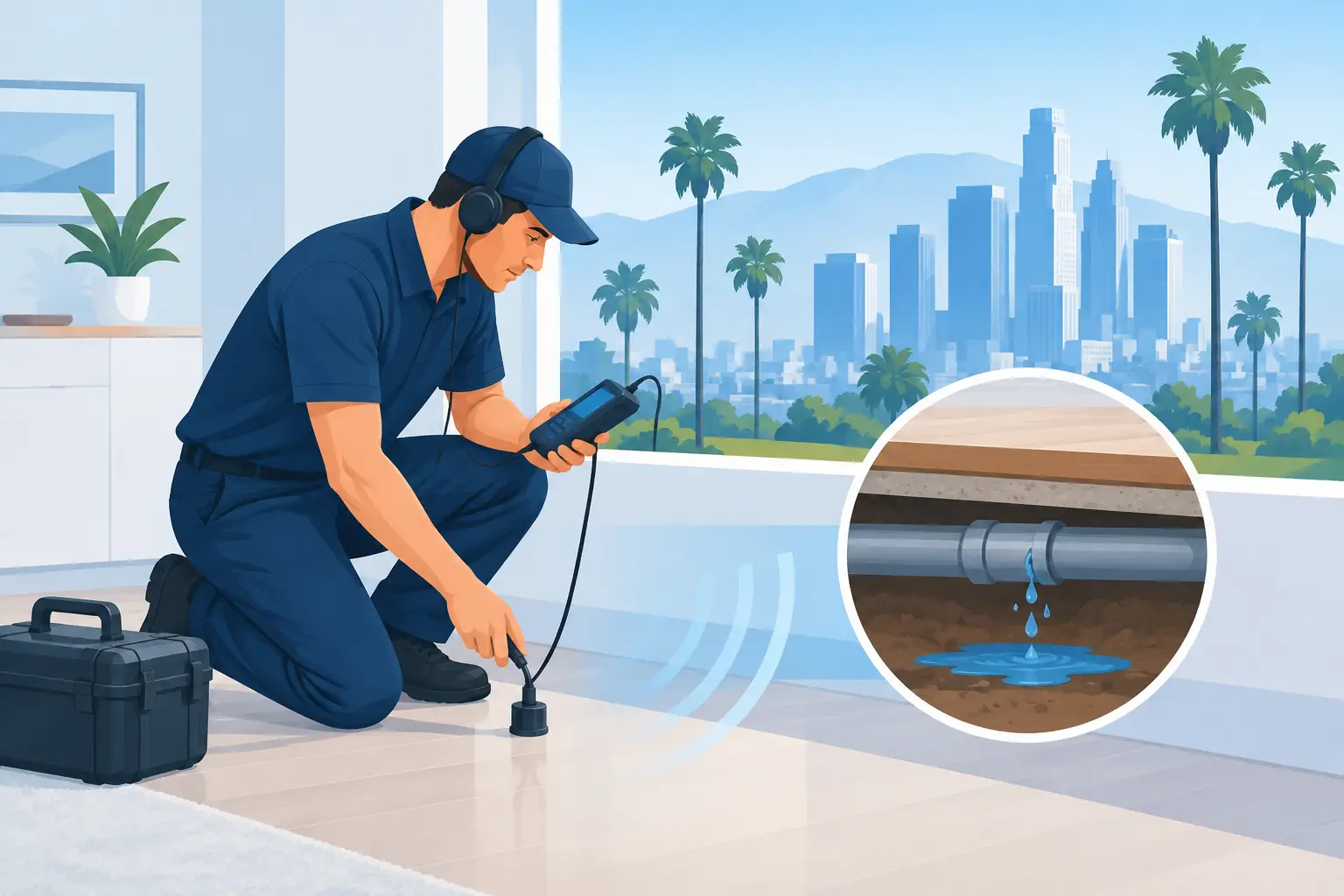
A damp spot under a sink is one thing. A rising water bill, warm patch on a slab floor, or stain spreading across a ceiling can point to a hidden leak that gets expensive fast. Finding the top water leak detection services in Los Angeles means looking beyond the first emergency plumber that answers the phone. You need a licensed local professional with the right diagnostic equipment, verified reviews, and a clear plan for locating and repairing the problem.
What Top Water Leak Detection Services Should Do
Leak detection is not simply a visual inspection. The best providers use noninvasive methods to narrow down the source before opening walls, flooring, concrete, or landscaping. That matters in Los Angeles homes, where slab foundations, aging galvanized pipes, hillside properties, and remodeled plumbing systems can make a leak difficult to trace.
A qualified plumber should begin by asking focused questions: when you first noticed the issue, whether your water meter moves when fixtures are off, where moisture is visible, and whether the home has a crawlspace or slab foundation. From there, the technician may use acoustic listening equipment, thermal imaging, pressure testing, moisture meters, tracer gas, or video camera inspection. The right method depends on the suspected location and pipe material.
Detection and repair are related, but they are not always the same appointment. Some companies specialize in locating the leak and documenting the findings, while others can identify, access, and repair it in one visit. If water is actively damaging your property, ask whether the provider can handle both steps and whether emergency service is available.
Signs You Should Call for Leak Detection
Hidden leaks rarely announce themselves with a burst pipe. More often, homeowners notice a pattern that does not fit normal use. A professional evaluation is worth scheduling when your water bill jumps without explanation, the water meter keeps running with every fixture shut off, or you hear water moving inside walls.
Other warning signs include musty odors, peeling paint, warped flooring, mold growth, low water pressure, recurring wet areas in the yard, and hot spots on a concrete floor. A sewer or drain issue can create similar symptoms, so a reliable plumber should explain what they are testing for instead of assuming every moisture problem is a supply-line leak.
For property managers, speed is especially important. A small leak in an upstairs unit can affect ceilings, electrical fixtures, drywall, and multiple residents below. Document the initial condition with photos, notify affected occupants, and get a licensed professional on site before authorizing major demolition.
How to Compare Water Leak Detection Companies
The fastest choice is not always the safest one. When comparing water leak detection providers across Los Angeles County, start with proof that the company is qualified to work on your home.
Confirm that the business holds an active California contractor license appropriate for plumbing work and that the license information matches the company you are calling. Check its service area, years in business, public review history, and whether the reviews mention leak detection specifically. A plumber with strong general reviews may still have limited experience with slab leaks, underground line leaks, or difficult diagnostics.
Ask whether the technician uses electronic or noninvasive detection tools. This does not mean every leak can be located without opening anything. It means the company should make a reasonable effort to pinpoint the issue before recommending broad exploratory cuts into drywall or concrete.
Also ask how pricing works. Some providers charge a diagnostic fee and apply it toward repair if you move forward. Others quote separate rates for detection, repair, restoration coordination, and after-hours calls. Clear pricing does not always mean a flat rate, because hidden plumbing conditions can change the scope. It does mean you should know what the initial charge covers and what requires your approval.
Questions to Ask Before You Book
A short call can reveal whether a company is organized and equipped for the job. Ask these questions before scheduling:
- Do you perform leak detection in-house, and what equipment do you use?
- Can you repair the leak after locating it, or do you refer repairs elsewhere?
- Is there a diagnostic fee, and is it credited toward repair work?
- Will I receive findings, photos, or written documentation for insurance or property records?
- Are emergency appointments available, including evenings or weekends?
You do not need a technical lecture. You need direct answers, a realistic arrival window, and a clear explanation of the next step.
Slab Leaks, Wall Leaks, and Yard Leaks Need Different Approaches
Not every leak should be handled the same way. A slab leak occurs in water lines running beneath a concrete foundation. Common clues include warm flooring, unexplained water use, damp carpet, or the sound of water under the floor. Once confirmed, repair options may include a targeted access repair, rerouting a line, or repiping part of the system. The least invasive repair is not automatically the best long-term choice. It depends on the pipe condition, prior leaks, access, and the age of the plumbing.
Leaks inside walls or ceilings can often be traced with moisture testing and acoustic tools, followed by a small, targeted opening for repair. A company that immediately recommends removing a large section of wall without explaining its diagnostic process deserves a second opinion.
Outdoor leaks may involve irrigation, a main water line, or a sewer lateral. Wet soil does not always indicate a plumbing leak, particularly after irrigation or rain. A qualified technician should isolate the system, test the line, and distinguish between a plumbing problem and a landscape drainage issue before proposing excavation.
What to Do While You Wait for the Plumber
If you can see active water flow, shut off the nearest fixture valve. If that does not stop it, use the home’s main water shutoff valve. Many Los Angeles homes have the main shutoff near the water meter, at the exterior wall, in a garage, or near the water heater. If you do not know its location, ask the plumber to show you during the service visit.
Move furniture, electronics, rugs, and valuables away from wet areas. If water is near outlets, light fixtures, or electrical panels, do not touch electrical equipment or stand in pooled water. Turn off power only if it can be done safely from a dry location, then contact an emergency professional.
Avoid running dishwashers, washing machines, or irrigation until the source is known. Do not patch, seal, or cover a leak that may be hidden behind a wall. That can trap moisture and make later detection more difficult. Photos, meter readings, and notes about when the issue started can help the technician diagnose the problem faster.
Why Verification Matters for Los Angeles Homeowners
Water damage creates pressure to hire quickly, and that is when vague estimates and unqualified contractors can create a second problem. A licensed plumber should be able to explain the diagnosis, identify the proposed repair, and state what is included before work begins. For larger repairs, especially slab access, rerouting, trenching, or repiping, get the scope in writing.
Real review signals are useful when you read them with context. Look for comments about arrival times, diagnostic accuracy, communication, cleanliness, and whether the final price aligned with the estimate. A few poor reviews do not automatically disqualify a company, but repeated complaints about missed appointments, unexplained charges, or unresolved leaks should affect your decision.
The Plumbing Connection helps Los Angeles County residents compare licensed plumbers using verification details, specialties, service areas, emergency availability, and public review information. That gives you a more practical starting point than sending your contact details into a lead form and waiting for unknown calls.
Make the Call Before Damage Spreads
The right leak detection service should reduce uncertainty, not add to it. Choose a local plumber that can verify its licensing, explain its diagnostic process, give you clear pricing expectations, and respond at the pace your situation requires. A fast, well-documented diagnosis can protect your home, your budget, and the parts of your property that water reaches next.
Get a free quote from a local plumber
Tell us what you need. Vetted plumbers in your area will reach out, usually the same day. No cost, no obligation.
Related Articles
Is Trenchless Sewer Worth It for LA Homes?
Is trenchless sewer worth it? Compare costs, limits, and long-term value for Los Angeles homes before choosing a licensed local plumber with confidence.
Best Plumbers for Apartment Buildings in LA
Find the best plumbers for apartment buildings in Los Angeles County. Compare verified licenses, real reviews, specialties, and emergency availability.
Emergency Plumber Response Time Example Explained
See an emergency plumber response time example for Los Angeles, learn what affects arrival, and choose a licensed pro without delays or surprises.
Need a Plumber in Los Angeles?
Compare 112+ verified plumbers with real reviews from Google and Yelp.
Find a Plumber Near You